Choosing Between Metal and Wood Fences
The Perfect Blend: Why Metal Wood Fences Offer the Best of Both Worlds
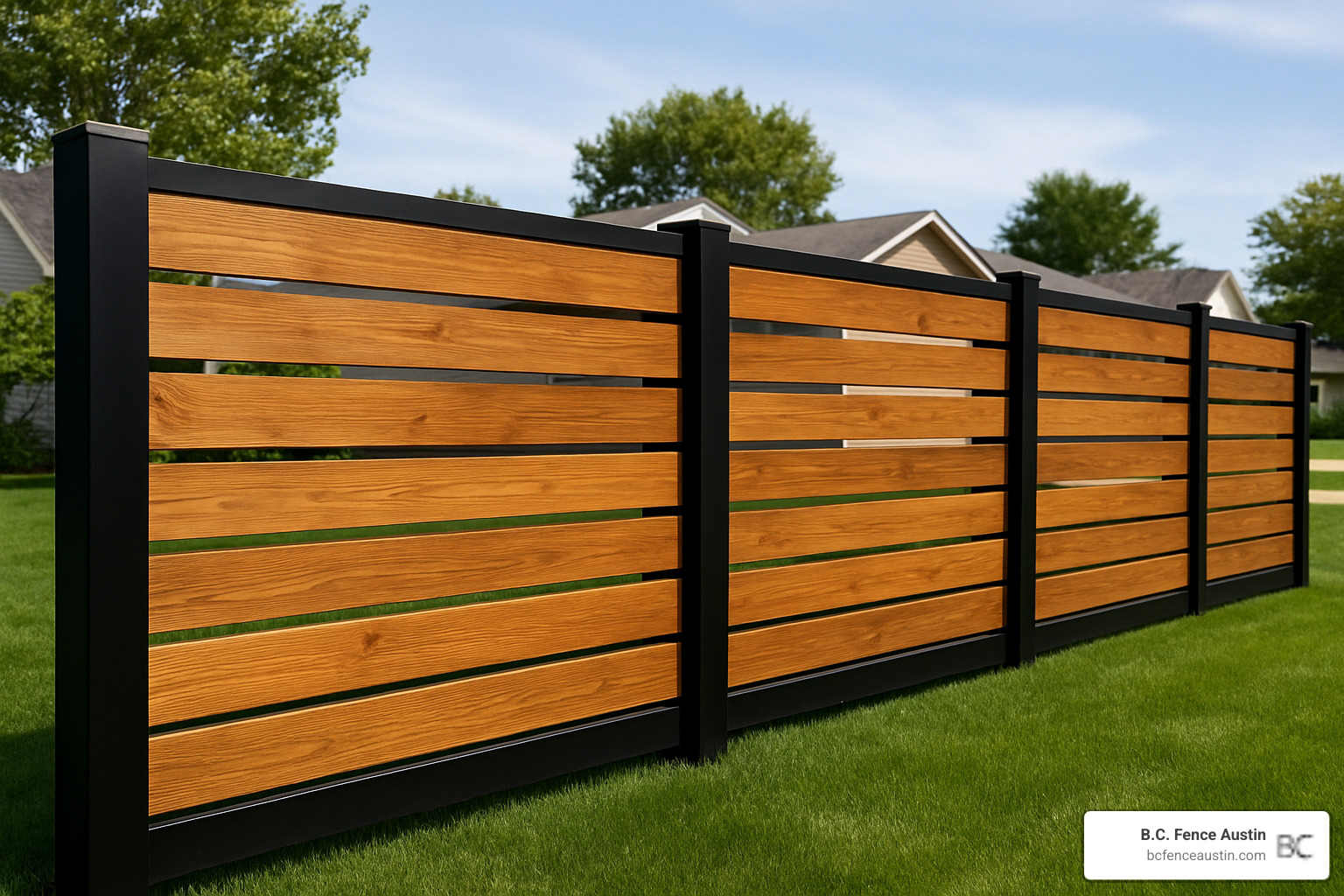
A metal wood fence combines the strength and durability of metal with the warm, natural aesthetic of wood. If you’re looking for quick information about these hybrid fences, here’s what you need to know:
Metal Wood Fence Quick Facts:
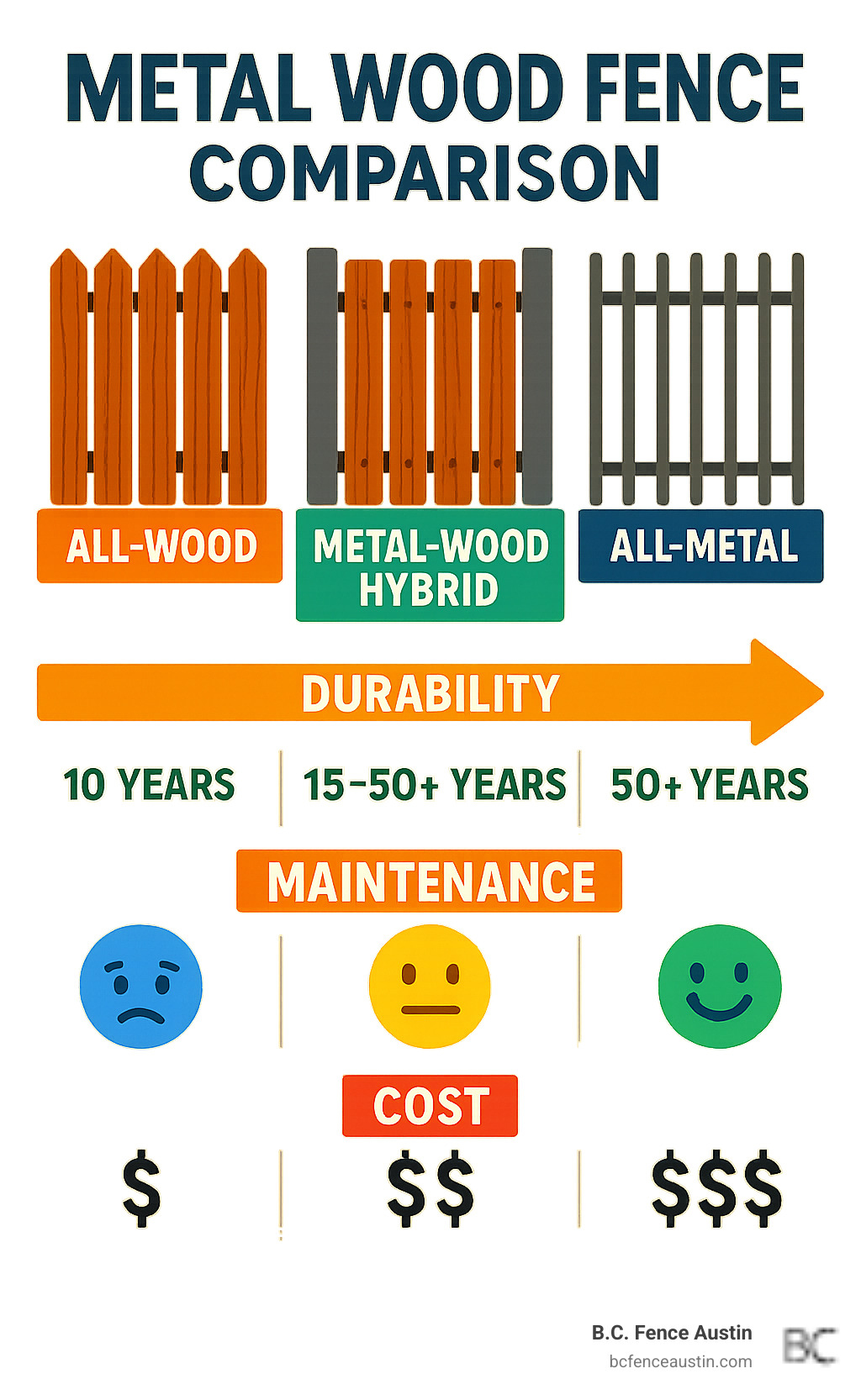
- Definition: A fence that uses metal structural components (typically posts or frames) with wood infill panels or slats
- Durability: 15-50+ years (longer than all-wood fences)
- Maintenance: Moderate (less than all-wood, more than all-metal)
- Best For: Homeowners seeking improved durability while maintaining natural wood aesthetics
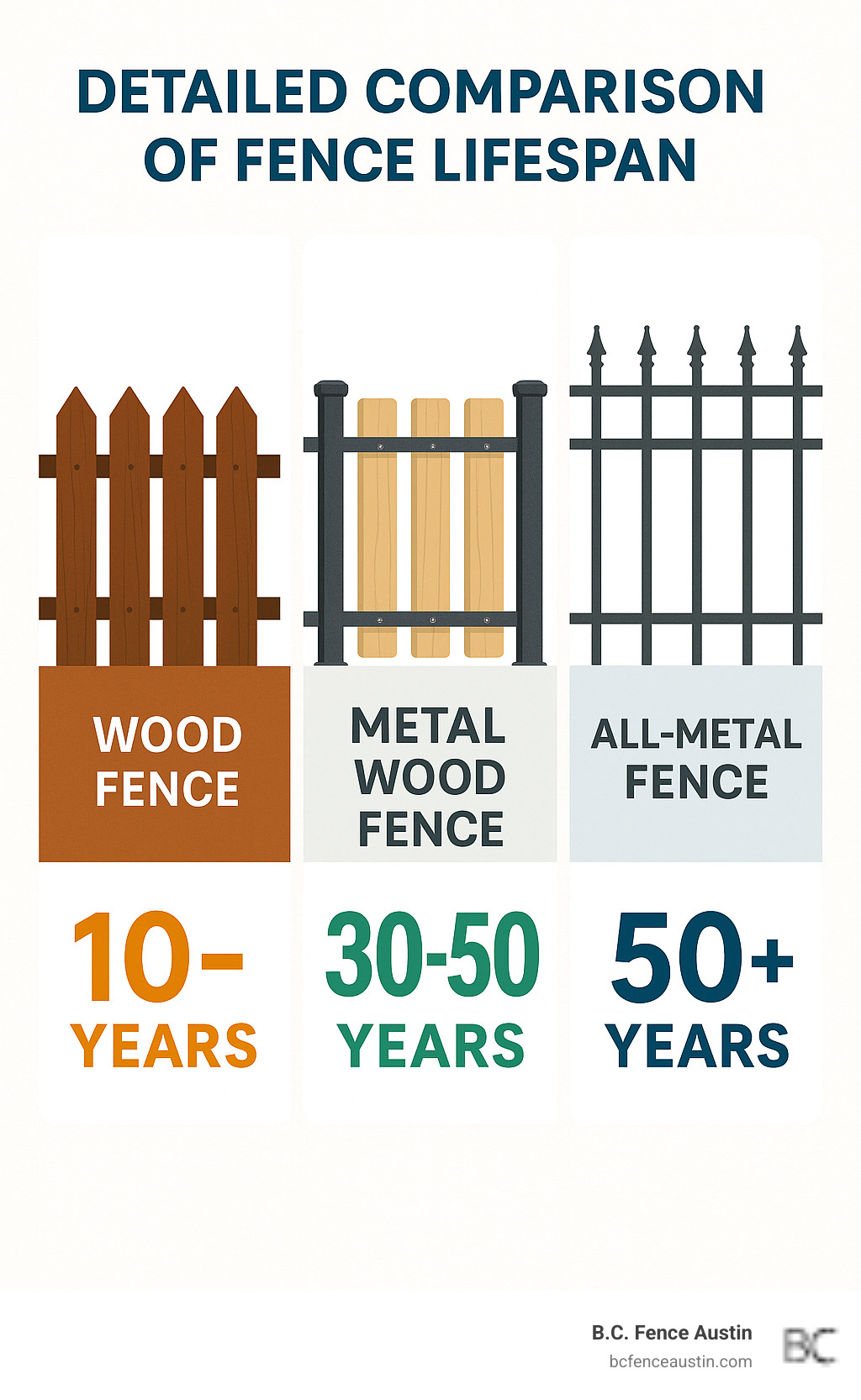
When it comes to choosing a fence for your property, there are many factors to consider, including appearance, cost, maintenance, and durability. While wooden fences typically last 10-15 years with regular maintenance, metal options can last up to 50 years or more. By combining these materials, you get the best of both worlds.
A metal wood fence offers the perfect balance between the warm, inviting appearance of natural wood and the structural integrity of metal. This combination addresses some of the most common fencing challenges: metal posts eliminate the ground-contact rot issues that plague wooden posts, while wood panels provide the privacy and aesthetic appeal that pure metal fences often lack.
“When it comes to enhancing your property’s security, privacy, and aesthetic appeal, choosing the right materials is key,” notes industry experts who have seen the rising popularity of these hybrid designs.
The appeal goes beyond just looks. Metal wood fences represent a practical solution for homeowners who want a fence that will stand the test of time without sacrificing style. With steel posts that can last up to 70 years when properly coated, paired with customizable wood infill options, these fences offer versatility that pure wood or pure metal alternatives simply can’t match.
Key terms for metal wood fence:
Material Fundamentals: Wood and Metal
When planning your fence project, understanding the basic qualities of wood and metal helps you make the best choice for your property. Let’s explore what makes each material special before we combine their strengths.
Wood Basics for Fencing
There’s something timeless about a wooden fence. The natural warmth and character it brings to your property is hard to match with any other material.
Wood fencing comes in several popular varieties, each with its own personality. Cedar stands out with its natural oils that fight off rot and insects, plus that gorgeous reddish hue that can either be preserved or left to weather into a sophisticated silver-gray. Redwood offers premium protection against decay and bugs thanks to its natural compounds, though it comes with a higher price tag to match its rich, distinctive coloring. For budget-conscious homeowners, pressure-treated pine provides economical protection through chemical treatments that help it resist rot and insects.
The beauty of wood lies in its character. Each board tells its own story through unique grain patterns that add visual interest to your fence line. Of course, this natural beauty requires some attention – wood needs staining and sealing every 2-3 years to maintain both its appearance and protective qualities.
“Most homeowners don’t realize that wood typically shrinks up to 1/4 inch after installation as it dries out,” explains our team at B.C. Fence Austin. “This natural process can create small gaps between boards that weren’t there on day one.”
To keep your wooden fence looking its best, plan for regular maintenance cycles that include inspection, cleaning, and refinishing to prevent common issues like warping, splitting, and rot.
Metal Basics for Fencing
Metal fencing brings impressive strength and longevity to the table, often outlasting wood by decades with the right care.
Galvanized steel leads the pack in durability, with its protective zinc coating creating a powerful shield against rust and corrosion. For areas where weight matters, aluminum offers natural rust resistance without the heft, making it perfect for decorative applications and gates. Those seeking classic elegance might consider wrought iron, which delivers best ornamental appeal and heavy-duty security, though it requires vigilant maintenance to prevent rust.
Modern metal fencing has benefited tremendously from technological advances. Powder-coating creates vibrant, durable finishes by applying color electrostatically and curing it with heat, resulting in a tough barrier against the elements. Galvanization processes (either hot-dip or pre-galvanized) form a protective zinc layer that significantly extends the life of steel components.
The rust resistance of metal fencing varies by type – aluminum naturally resists corrosion, while steel requires protective treatments to prevent oxidation. When it comes to structural integrity, metal simply can’t be beat, offering superior load strength that makes it ideal for posts and frames that need to withstand years of wind, weather, and pressure.
“We often recommend metal posts even for clients who want the look of wood,” notes our fencing team. “The ground contact area is where wood fails first, but metal posts can last decades without degrading, even in our humid Austin climate.”
Understanding these fundamental properties of both wood and metal helps explain why combining them creates such a practical and attractive fencing solution – you truly get the best of both worlds.
Why Choose a Metal Wood Fence? Benefits, Types & Applications
A metal wood fence brings together the best of both worlds – combining the strength and durability of metal with the warm, natural beauty of wood. This clever hybrid approach creates a fence that’s greater than the sum of its parts.
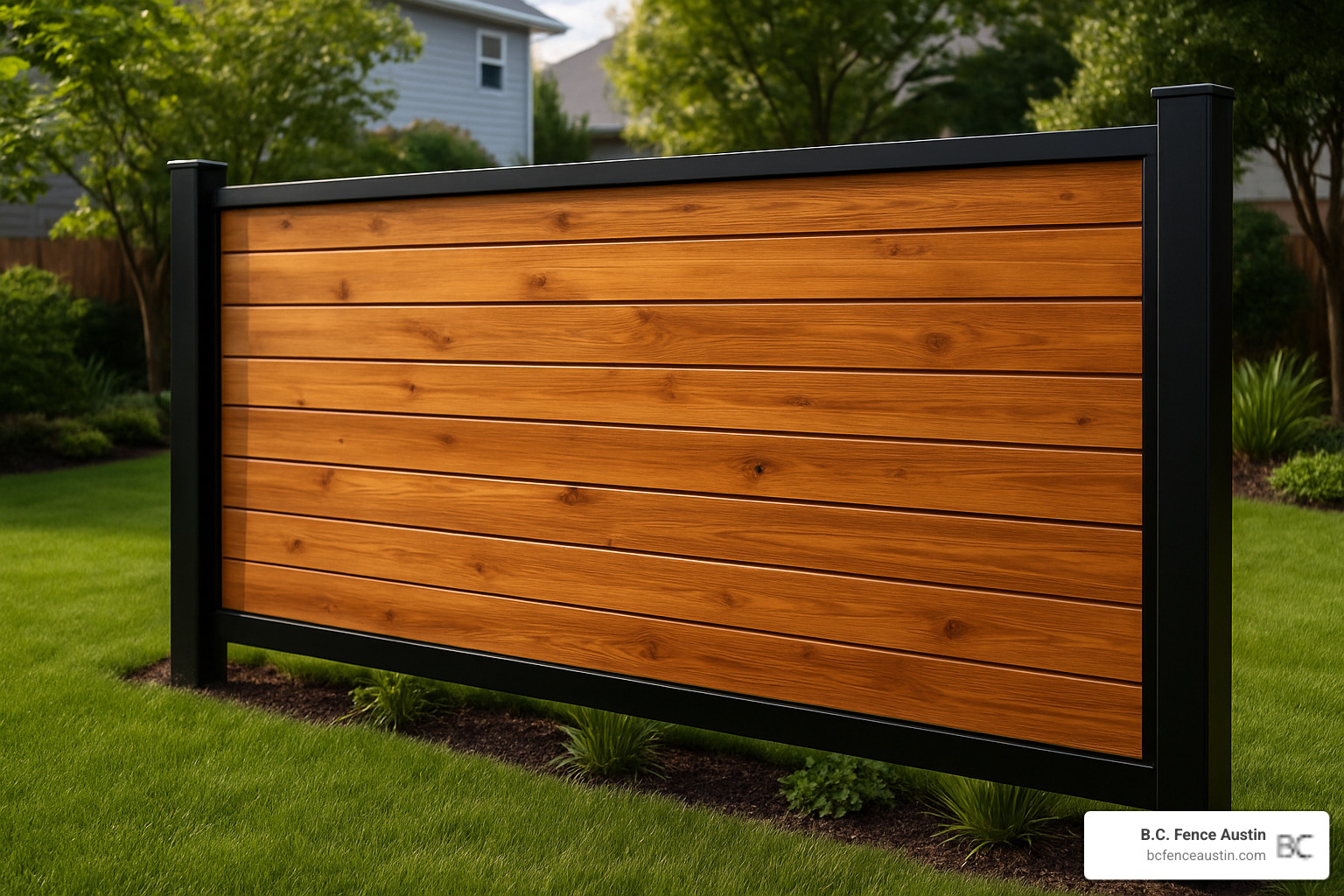
When you choose a metal wood fence, you’re investing in a structure that typically features metal for the “bones” (posts, rails, and frames) while using wood for the visible panels or slats. This smart combination means you get the structural integrity of metal with the privacy and aesthetic appeal of wood.
The benefits are truly impressive. First and foremost, you’ll enjoy improved durability since metal posts eliminate the most common point of failure in traditional wood fences – that dreaded ground-level rot. You’ll also appreciate the reduced maintenance requirements, as having less wood in contact with soil means fewer headaches with rot and insect damage.
From a design perspective, the aesthetic versatility can’t be beat. These fences blend industrial modern elements with natural warmth in a way that complements almost any architectural style. The structural integrity provided by the metal framework offers superior support for wood panels, while the overall extended lifespan means your fence can last 2-4 times longer than an all-wood alternative.
“Our customers love how these hybrid fences solve so many common problems at once,” shares our installation team. “They get the look they want without sacrificing durability.”
These versatile fences work beautifully in numerous settings. They define residential yards with style and personality, create commercial perimeters that offer security without the institutional feel of all-metal fencing, and make perfect pool enclosures that provide safety with style. They’re also ideal for security upgrades since metal structural components resist force better than wood, while still creating decorative boundaries with visual interest through material contrast.
For more detailed information about these mixed-material options, visit our fence with wood and metal page.
Horizontal Metal Wood Fence Designs
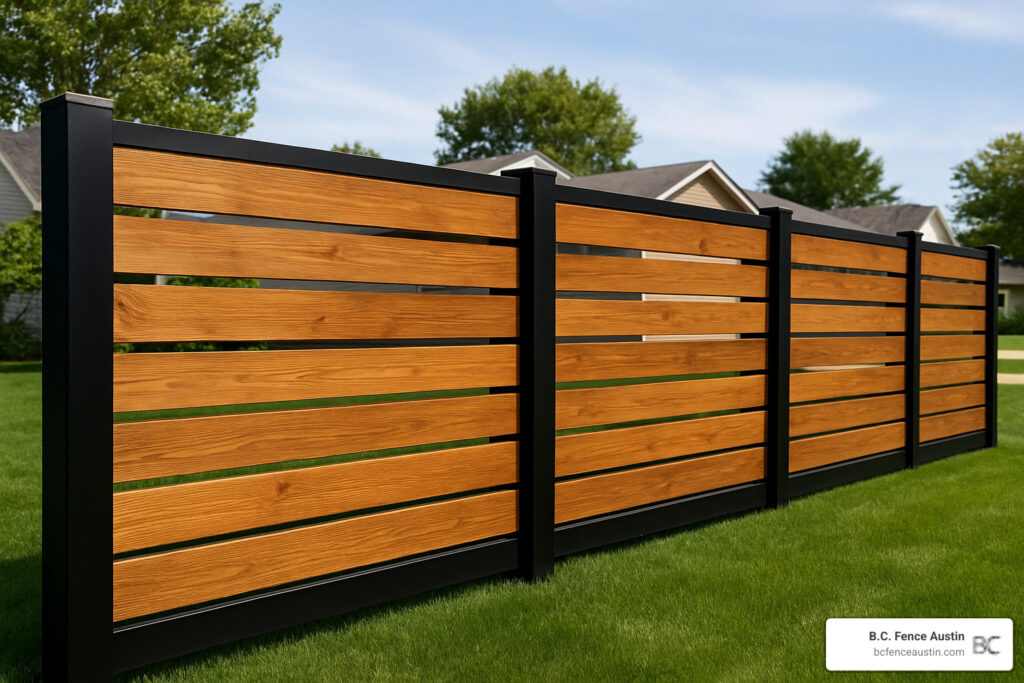
One of the most popular metal wood fence styles features horizontal orientation of wood boards. This contemporary design has taken Austin and surrounding areas by storm, appearing in neighborhoods from Cedar Park to Round Rock and Georgetown.
Horizontal metal wood fences create a clean, modern aesthetic that makes spaces appear wider and more expansive. The design offers remarkable versatility – boards can be placed tightly together for maximum privacy or spaced apart for a semi-private boundary that allows light and breeze to pass through.
“The horizontal orientation creates such a fresh, updated look,” notes our design team. “It’s amazing how something as simple as turning the boards sideways can completely transform the feel of a property.”
These designs typically feature black powder-coated steel frames complemented by warm cedar boards, though many homeowners also opt for galvanized metal posts with pressure-treated pine slats or aluminum framework paired with composite wood-look boards. The contrast between materials creates visual interest that lifts your entire landscape.
Popular Materials for Metal Wood Fence Construction
Choosing the right materials for your metal wood fence will significantly impact its appearance, longevity, and maintenance needs.
For the metal components, galvanized steel posts (typically 2-3″ in diameter) provide exceptional structural support that stands up to weather and time. Many designs incorporate U-channel frames made from 18-gauge galvanized steel, creating the perfect framework for wood infill. Horizontal metal rails connect the posts and provide crucial support for the wood panels.
When it comes to the wood elements, cedar infill remains the most popular choice thanks to its natural resistance to rot and insects, not to mention its beautiful grain patterns and warm coloration. For those seeking ultra-low maintenance, composite boards offer a wood-like appearance without the upkeep. Budget-conscious homeowners often select pressure-treated pine, which performs well when properly sealed and maintained.
The connection systems that bring these materials together are equally important. Bracket systems provide secure attachment points between wood and metal framework, while through-bolts offer a heavy-duty connection method for thicker wood panels. For thinner wood slats, self-tapping screws provide a convenient and secure attachment method.
“The slotted mounting holes in our bracket systems provide flexible installation tolerances,” explains our installation team. “And we always recommend powder-coating all metal components to ensure they’ll stand up to our Texas weather for years to come.”
Want to learn more about the materials we use in our fencing projects? Check out our profiles on Taizhou Zhuoxin Plastics Co. | LinkedIn for information about some of our suppliers.
Cost, Durability & Sustainability Breakdown
When comparing metal wood fences to traditional options, three key factors typically guide homeowners’ decisions: what you’ll pay now, how long it will last, and its impact on our planet.
Initial vs. Lifetime Cost
Yes, metal wood fences will cost more upfront than their all-wood cousins, but they won’t break the bank like some premium all-metal designs.
But here’s where things get interesting – when you look at the big picture over time, the math changes dramatically.
Wood fences typically wave the white flag after just 10-15 years, while those sturdy metal posts can stand tall for 50-70 years when properly installed. And don’t forget the annual maintenance costs for all-wood fences.
“While metal fencing might make your wallet a bit lighter at first, it actually pays for itself over time,” our experts at B.C. Fence Austin explain. “You’ll spend far less on maintenance and won’t be replacing the entire fence nearly as often.”
Durability Factors
The impressive staying power of metal wood fences comes from addressing the usual suspects that cause traditional fences to fail:
That pesky ground contact? Metal posts eliminate soil-contact rot issues that plague wooden posts. Worried about sagging and warping? The metal framework stands strong against these common problems. And while wood might struggle against extreme weather and hungry termites, properly treated metal components laugh in the face of both.
“Under the right conditions, steel fence posts with a protective zinc coating can last up to 70 years,” industry studies have found. That’s potentially three or four wooden fences you won’t have to replace!
Budgeting a Metal Wood Fence Project
Ready to plan your metal wood fence project? Here’s what affects your bottom line:
Your fence’s height makes a big difference – a 4-foot fence costs significantly less than an 8-foot privacy barrier. Material quality also plays a major role; premium cedar will cost more than standard pressure-treated pine. Don’t forget about design complexity and site conditions – slopes and difficult access can add to your labor costs.
Looking to save some green? Consider pre-fabricated panel systems if you’re the DIY type. You might also install your fence in phases as your budget allows. Opting for pressure-treated pine instead of cedar for the wood components can trim costs, as can sticking with standard designs rather than custom features.
For a deeper dive into choosing the right fence material for your specific needs and budget, check out our fence material guide.
Environmental Considerations
For the eco-conscious homeowner, metal wood fences can be a surprisingly green choice when planned thoughtfully.
On the wood side, consider reclaimed lumber that gives old wood new life while reducing demand for fresh timber. FSC-certified wood ensures responsible forest management practices were followed. And locally sourced timber reduces the carbon footprint from transportation.
For the metal components, look for recyclable steel – most steel already contains recycled content and can be fully recycled at the end of its life. Powder coating emits fewer volatile organic compounds than traditional wet paint. Perhaps most importantly, the sheer longevity of these fences means less resource consumption over time.
“Cedar and bamboo are excellent choices for environmentally conscious homeowners,” environmental building experts recommend. “They’re naturally resistant to pests and can be sourced sustainably.”
In Austin and surrounding areas, green building codes increasingly recognize the environmental benefits of durable, low-maintenance building materials that don’t need frequent replacement – making metal wood fences not just a practical choice, but a planet-friendly one too.
Installation, Maintenance & Design Best Practices
Installing and maintaining a metal wood fence isn’t just about putting posts in the ground and attaching boards. It’s about creating a lasting boundary that improves your property for years to come.
Step-by-Step Metal Wood Fence Installation
While we always recommend professional installation for metal wood fence projects (trust us, we’ve seen plenty of DIY attempts that ended up costing more in the long run), understanding the process helps you make smarter decisions about your investment.
First, proper site preparation makes all the difference. Start by marking your fence line with string – this simple step prevents costly mistakes. Always call 811 before digging to locate underground utilities (nobody wants to hit a gas line!). Clear away vegetation and check local building codes and HOA requirements before you begin.
When it’s time for post installation, dig holes about 8-10 inches in diameter and 24-36 inches deep. Pour concrete footings for stability, then set your metal posts with consistent spacing, typically 6-8 feet apart. Take your time ensuring posts are perfectly plumb and level – this foundation determines how your entire fence performs.
Next comes framework attachment. Install horizontal metal rails or U-channels and secure them with appropriate fasteners. Double-check that everything is level before moving forward.
Finally, it’s time for the wood panel installation. Cut your wood slats to size, attach them using brackets, screws, or your specified fastening system, and maintain consistent spacing. If your wood isn’t pre-treated, now’s the time to apply that initial protective finish.
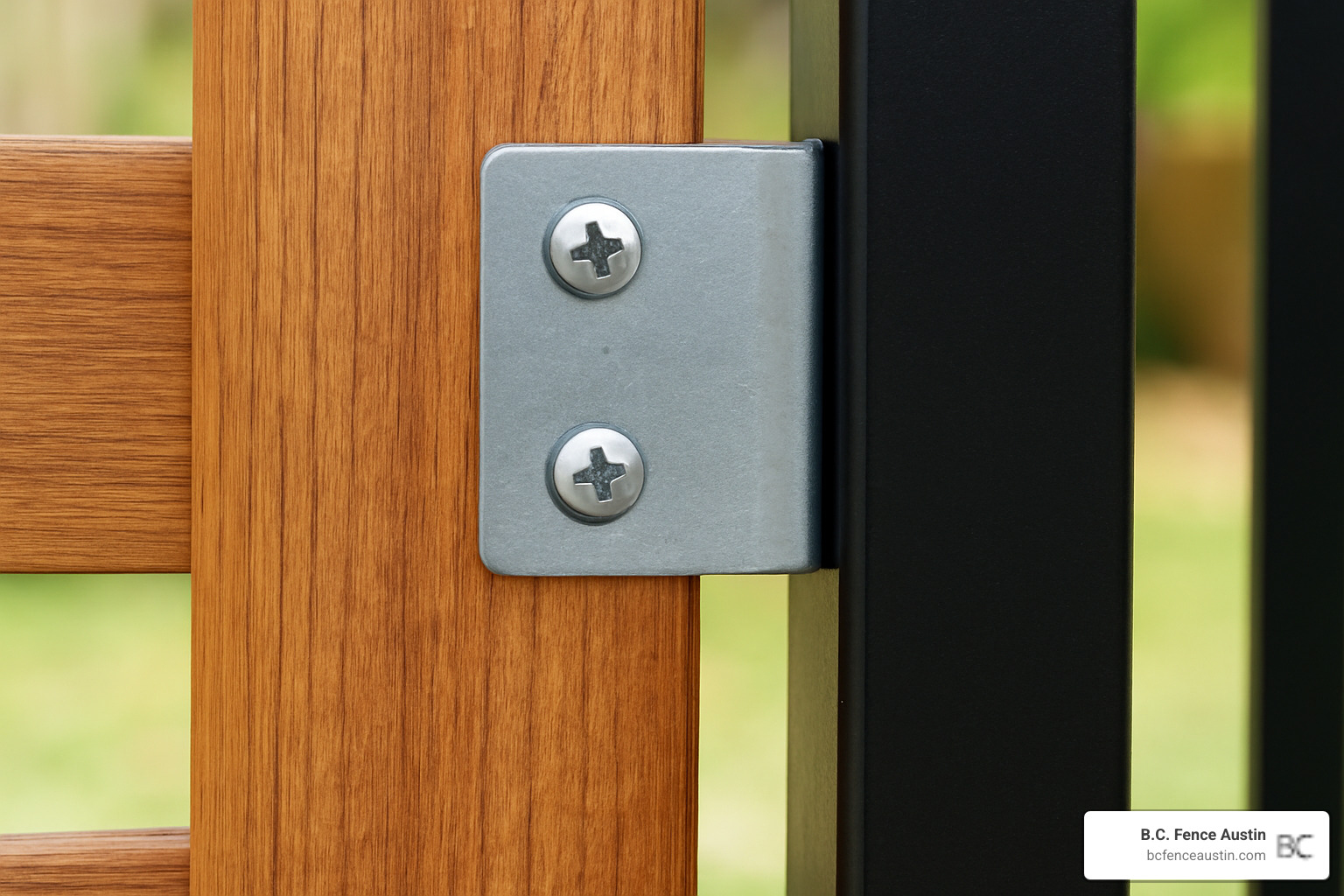
“We recommend using brackets that loop around the metal posts with screws to secure the wood panels,” says our installation team. “It creates a cleaner look and stronger connection.”
Dealing with slopes? Consider rackable panels that adjust to terrain changes, step-down installation for significant grade changes, or no-dig options for rocky areas or spots with utility conflicts.
Ongoing Care to Extend Fence Life
Your metal wood fence will be good to you if you’re good to it. A little regular attention goes a long way toward extending its lifespan.
Make it a habit to conduct an annual inspection. Check for loose fasteners and tighten them, look over metal components for rust or corrosion, examine wood pieces for warping or cracking, and verify that posts and rails remain structurally sound.
Wood components need love every 2-3 years. Clean them with mild soap and water, let them dry completely (patience pays off here), and apply a quality wood stain or sealer. Don’t put off replacing damaged boards – small problems quickly become big ones.
Metal parts need attention too. Wash them yearly with mild detergent, touch up any scratches in the protective coating, apply rust inhibitor to exposed metal, and check for loose connections.
“Here in Austin’s climate, we recommend staining or sealing wood components annually,” our maintenance team advises. “Our humidity can be tough on wood, and a little prevention saves a lot in repairs down the road.”
Design Trends & Finishing Touches
Today’s metal wood fence designs go far beyond basic functionality, becoming true extensions of your home’s personality and style.
Creative material combinations are leading current trends. We’re seeing beautiful installations combining corrugated metal panels with wood frames, creating visual interest and texture. Gabion bases – those stone-filled wire baskets – paired with wooden upper sections offer a stunning contemporary look. Many homeowners are incorporating decorative metal accents like laser-cut panels or ornamental caps to add unique character.
Lighting has become an essential finishing touch. Integrated solar or low-voltage systems not only improve security but transform your fence into a nighttime feature rather than just a boundary.
When it comes to finishes, the options are endless. Wood stain colors range from natural cedar tones to bold modern hues. Metal powder coating in classic black creates timeless elegance, while contemporary colors can complement your home’s palette. Decorative post caps and finials add that final touch of personality.
“In Austin neighborhoods, we’re seeing lots of horizontal wood slats paired with black metal frames,” our design team notes. “It’s a perfect blend of Texas warmth and modern simplicity that works beautifully with our local architecture.”
For more inspiration on fence designs that might work for your property, visit our popular fence designs page.
Frequently Asked Questions about Metal Wood Fence Choices
How long does a metal wood fence typically last?
When homeowners ask us about longevity, we’re happy to share some good news. A well-installed and properly maintained metal wood fence typically lasts 30-50 years—considerably longer than traditional all-wood options.
The secret lies in those sturdy metal structural components. Posts and rails can stand strong for 50-70 years when they’ve been properly galvanized or powder-coated. The wood elements might need some attention every decade or so, with partial replacement or refinishing typically required every 10-15 years. This timeline varies based on your local climate and how diligent you are with maintenance.
Want to get the absolute maximum lifespan from your fence? We recommend using high-quality, corrosion-resistant metal components paired with naturally rot-resistant woods like cedar or redwood. Regular application of protective finishes makes a huge difference too. And here’s a pro tip we share with all our customers: address those small issues promptly! A loose board or minor rust spot can quickly become a major headache if ignored.
What’s the easiest way to attach wood panels to metal posts?
This is one of the most practical questions we hear, and there are several effective approaches depending on your comfort level with tools and the look you’re going for.
Bracket systems are typically the friendliest option for DIY enthusiasts. These pre-manufactured metal brackets wrap neatly around posts and provide secure mounting points for your wood panels. They’re straightforward and don’t require specialized skills.
For a sleeker, gap-free appearance, U-channel frames work beautifully. These metal channels allow wood slats to slide right in, creating a clean, professional finish that many homeowners love.
When maximum strength is the priority, through-bolt connections are hard to beat. This method involves drilling through the metal post and securing wood with bolts and nuts. It’s the strongest option but does require more work and tools.
For thinner metal posts and lighter wood components, self-tapping screws designed to penetrate metal without pre-drilling can be a time-saver.
“Use brackets that loop around the metal posts and screws to secure the wood panels,” our installation team often suggests. “And always make sure all fasteners are corrosion-resistant to prevent staining and premature failure.”
Are metal or wood posts better for my climate?
Climate considerations matter tremendously when choosing between metal and wood posts. Your local weather patterns should influence this important decision.
Metal posts shine brightest in humid environments where they resist the rot and fungal growth that quickly deteriorate wood. They’re also the smart choice in termite-prone areas since insects can’t damage metal. If your property experiences freeze-thaw cycles, metal posts resist heaving and movement better than wood alternatives. For coastal homeowners, properly coated metal (especially aluminum) stands up admirably to salt exposure.
Wood posts might be preferable in extremely cold climates due to their lower thermal conductivity. Some areas with particularly acidic soil can accelerate metal corrosion, making wood potentially more suitable. Historic districts sometimes require wood posts to maintain period authenticity.
For most of Central Texas, including Austin, Cedar Park, Round Rock, and Georgetown, we typically recommend metal posts. Our hot, occasionally humid climate and the presence of termites make metal the more durable option. Those surprising freeze-thaw cycles we occasionally experience (remember February 2021?) can also be tough on wood posts.
“Metal posts traditionally outlast wood posts in fence applications,” our experienced team confirms. “Particularly in the variable Texas climate we all know and love.”
Conclusion
Choosing the right fence for your property is a significant decision that impacts your home’s curb appeal, security, and long-term maintenance needs. A metal wood fence offers a truly impressive middle ground that solves many common fencing challenges homeowners face.
When you step back and look at what we’ve covered, the advantages become clear. By combining metal’s structural strength with wood’s natural beauty, you’re getting the best of both worlds – strength where you need it most and warmth where you see it most.
The math on lifetime value is particularly compelling. While you might pay a bit more upfront compared to an all-wood fence, consider this: wooden fences typically need replacement after just 10-15 years, even with diligent care. Meanwhile, the metal components in your hybrid fence can stand strong for 50+ years. For many Austin homeowners, this means installing just one fence instead of three or four over the lifetime of owning their home.
I’ve seen how metal wood fences transform properties throughout Austin. Whether it’s a sleek horizontal design that complements a modern home in the city or a more traditional privacy fence that creates a sanctuary for a family in Cedar Park or Round Rock, these fences adapt beautifully to their surroundings.
The design flexibility is truly remarkable. You can customize the height, board spacing, stain color, and metal finish to create something that feels uniquely yours. Many homeowners tell us they appreciate how these fences can strike just the right balance – providing privacy without feeling closed off, offering security without an institutional appearance.
At B.C. Fence Austin, we’ve helped countless homeowners steer these choices to find their perfect fence solution. Our team brings years of experience designing and installing custom metal wood fences throughout the greater Austin area. We understand the local climate challenges, neighborhood aesthetics, and practical considerations that go into creating a fence that will stand the test of time while looking beautiful for years to come.
Ready to explore what a metal wood fence could look like on your property? Visit our wood fence services page to see more examples and learn how we can help you create a fence that improves your property’s security, privacy, and curb appeal for decades to come.