Beyond the Leash: Your Complete Guide to Dog Fences
Why Physical Dog Fencing is the Foundation of Pet Safety
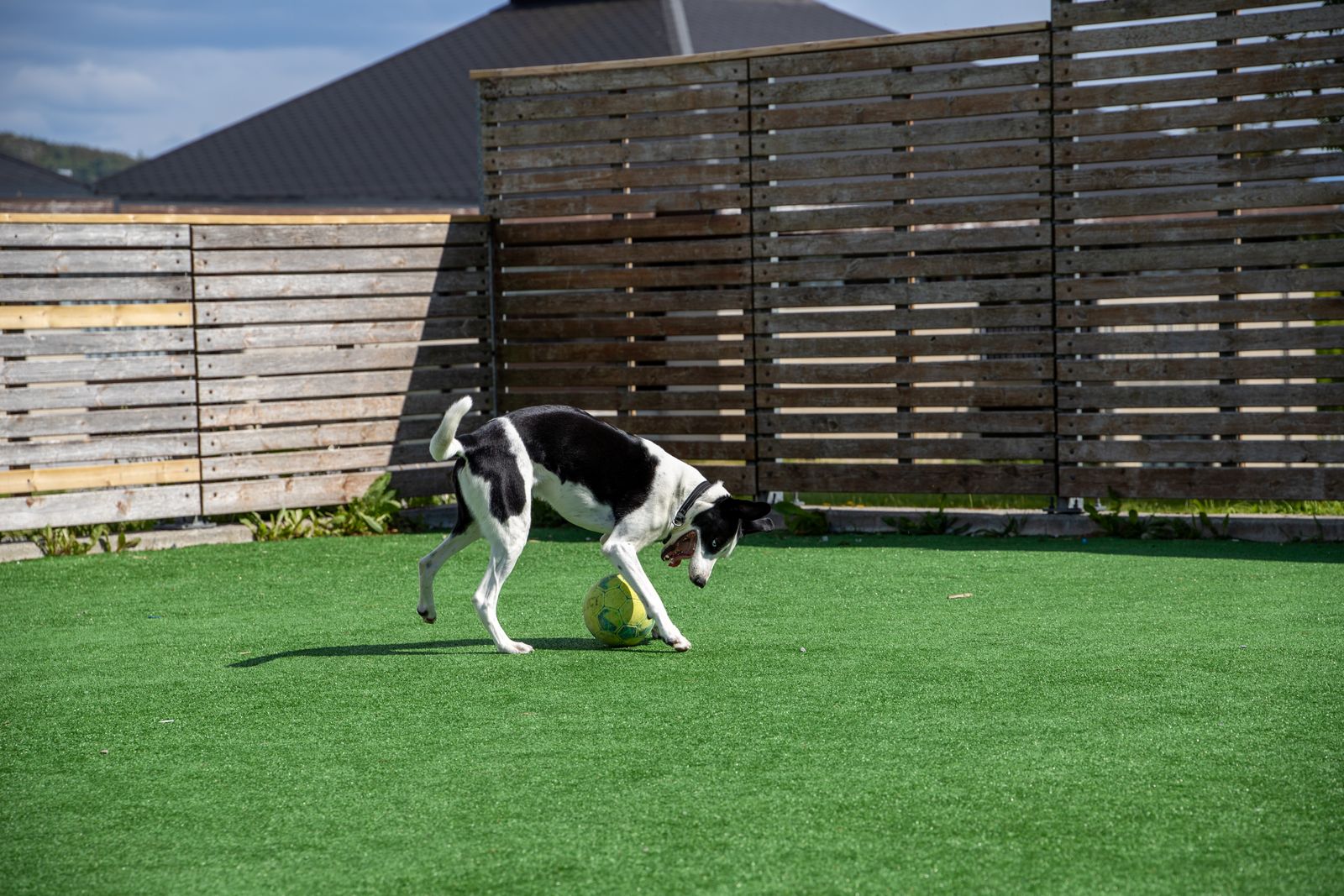
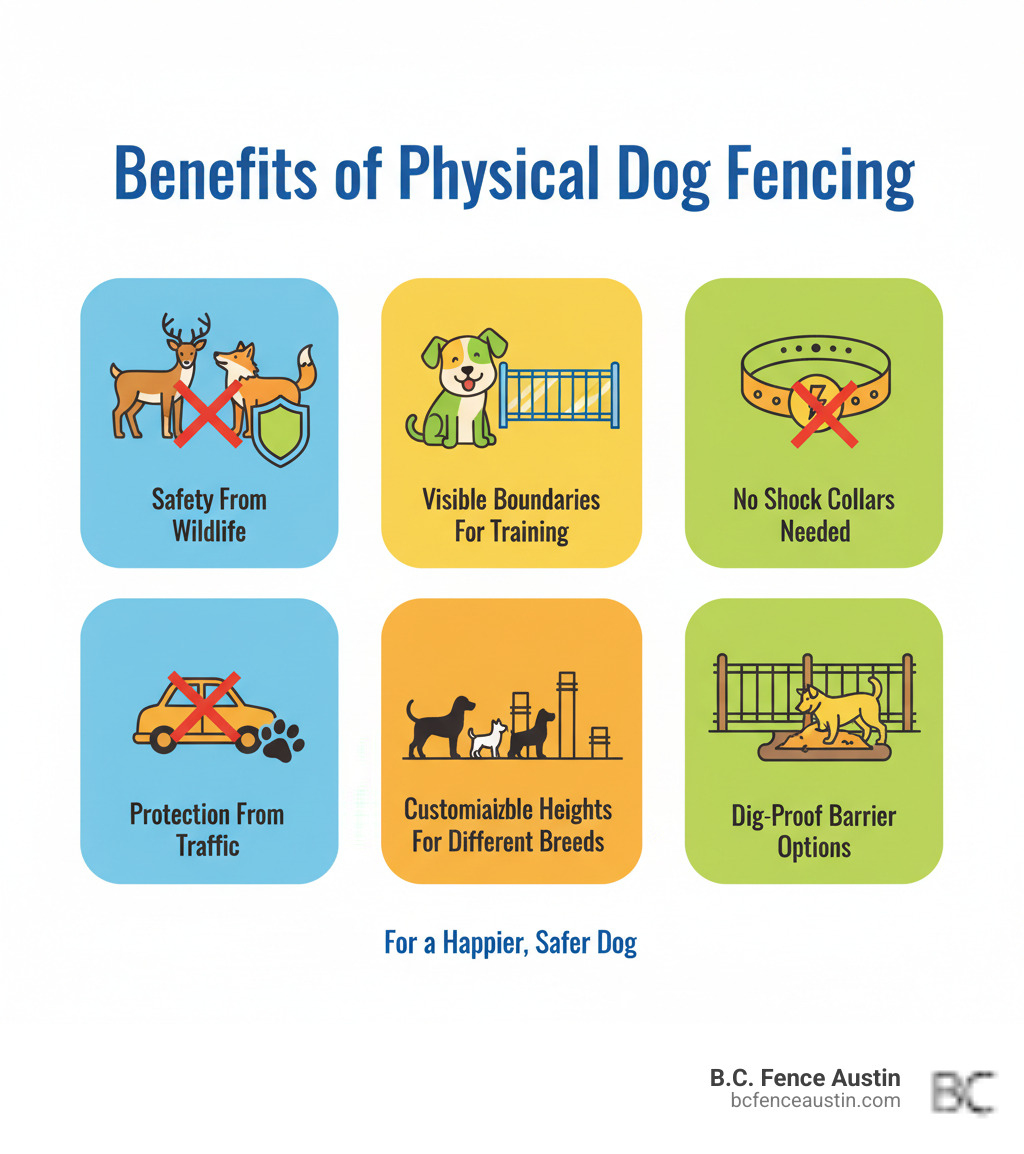
Dog fencing provides a visible, physical boundary that keeps your pet safely contained while protecting them from external threats like wildlife and traffic. Unlike invisible systems, physical fences offer humane containment without shock collars, giving your dog freedom to play and you genuine peace of mind.
Quick Guide to Dog Fencing Options:
| Fence Type | Best For | Key Benefits |
|---|---|---|
| Welded Wire/Metal | Active dogs, chewers, diggers | Chew-proof, high strength, long-lasting |
| Wood Privacy | Territorial dogs, privacy needs | Blocks visual stimulation, customizable |
| Chain Link | Budget-conscious, visibility | Cost-effective, durable, low maintenance |
| Ornamental Iron | Large breeds, curb appeal | Neat, secure, difficult to climb |
A fenced-in backyard is essential for your dog’s safety and freedom. It protects them from wildlife encounters and provides visible boundaries that support training. The right dog fence depends on your pet’s size, behavior, and energy level. Small, calm dogs may do well with a 4-foot fence, while athletic breeds or escape artists often require 6- to 7-foot heights with dig-proof barriers. Materials also matter—plastic won’t stand up to chewers, but PVC-coated welded wire or galvanized steel offers the durability needed for determined dogs.
Whether containing a playful puppy or protecting an older rescue, choosing the right fencing system makes all the difference.
Choosing Your Ideal Dog Fencing: Materials and Types
When shopping for dog fencing, you’re balancing your pup’s safety with your yard’s aesthetics. The right fence creates a space where they can run and play without you worrying. That peace of mind is priceless.
Every material has its strengths. Some are built for escape artists, while others blend into your landscaping. The key is matching the material to your dog’s size, energy, and determination. If you’re still weighing your options, our guide on What Type of Fence Should I Get? can help.
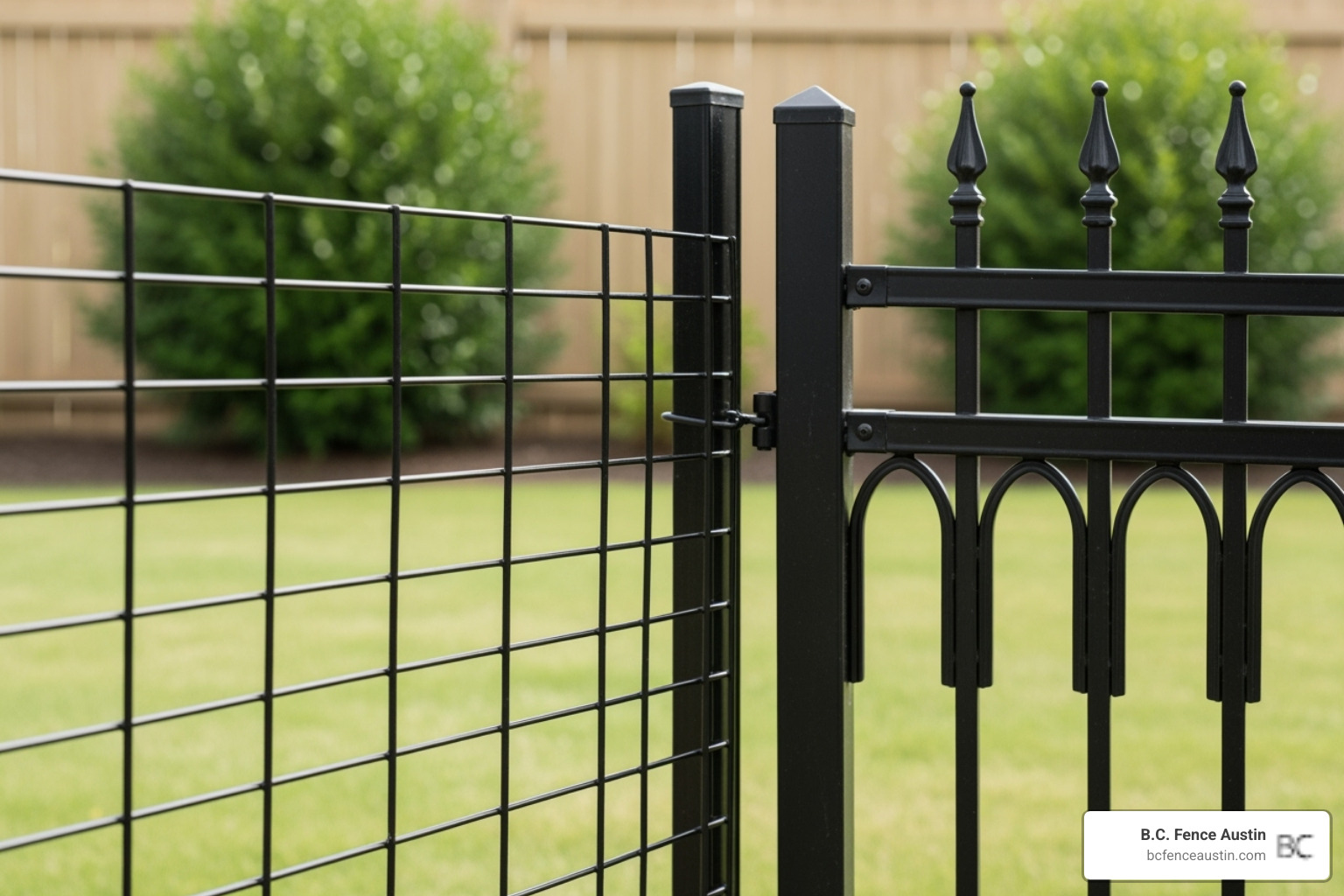
Metal Dog Fencing: The Gold Standard for Strength and Security
For strong or stubborn dogs, metal dog fencing offers best strength and durability.
Welded wire mesh, especially PVC-coated steel, is a favorite. The coating protects against rust, while a powder-coated black finish on galvanized steel posts offers double protection and blends into your yard. The strength is impressive, with some materials having a breaking strength over 1000 pounds. Square openings around 1.7″ x 1.7″ are ideal—small enough to prevent chewing or squeezing out but large enough to maintain visibility.
Chain link fences are another solid, traditional choice. They’re galvanized, tough, and backed by long warranties. Learn more in our article Chain Link Fence: Know Everything About It.
For security with curb appeal, consider ornamental iron fences. They are neat, difficult to climb, and perfect for medium to large breeds. Ensure the bottom is secured to prevent smaller dogs from slipping through.
Wood and Privacy Fencing: Classic Looks with Reliable Containment
Wooden privacy fences are popular for dog fencing because the solid panels block your dog’s view, which can reduce barking in territorial or prey-driven dogs.
Wood fences can be built to any required height. Materials like cedar and treated pine provide a natural look and sturdy containment. The main trade-off is maintenance, as wood needs staining or sealing every few years. A lattice top fence can add a decorative touch and extra height, making it harder for dogs to climb.
Key Features for a Safe and Durable Dog Fence
A great dog fencing system is in the details.
- Powder-coated posts on metal fences add years to the fence’s life by resisting rust.
- Small mesh openings (e.g., 1.7″ x 1.7″) keep your dog in and other animals out.
- A dig-proof barrier, like welded wire secured with galvanized ground stakes, is essential for diggers. For serious excavators, burying mesh or adding a cement footer may be necessary.
- UV protection and weather resistance are crucial. PVC coatings, galvanization, and powder-coating protect metal, while wood requires regular sealing.
- Don’t overlook gates and latches. Self-closing hinges and heavy-duty latches prevent accidental escapes. For more guidance, see our Residential Fence for Outdoors page.
Putting these features together creates dog fencing that is safe, durable, and looks great.
Sizing It Up: How to Select the Right Fence Height
Choosing the right fence height is a critical decision when installing dog fencing. The ideal height depends on your dog’s size, breed temperament, and athletic abilities. Some dogs are content with a modest barrier, while others see any fence as a challenge.
Your dog’s jumping ability is as important as its size. A small terrier might be fine behind a 4-foot fence, but a medium-sized dog with a powerful jump could clear it easily. Certain breeds are also natural climbers.
For guidance on selecting a fence for your property, our guide on choosing the perfect fence for your residential space offers helpful insights.
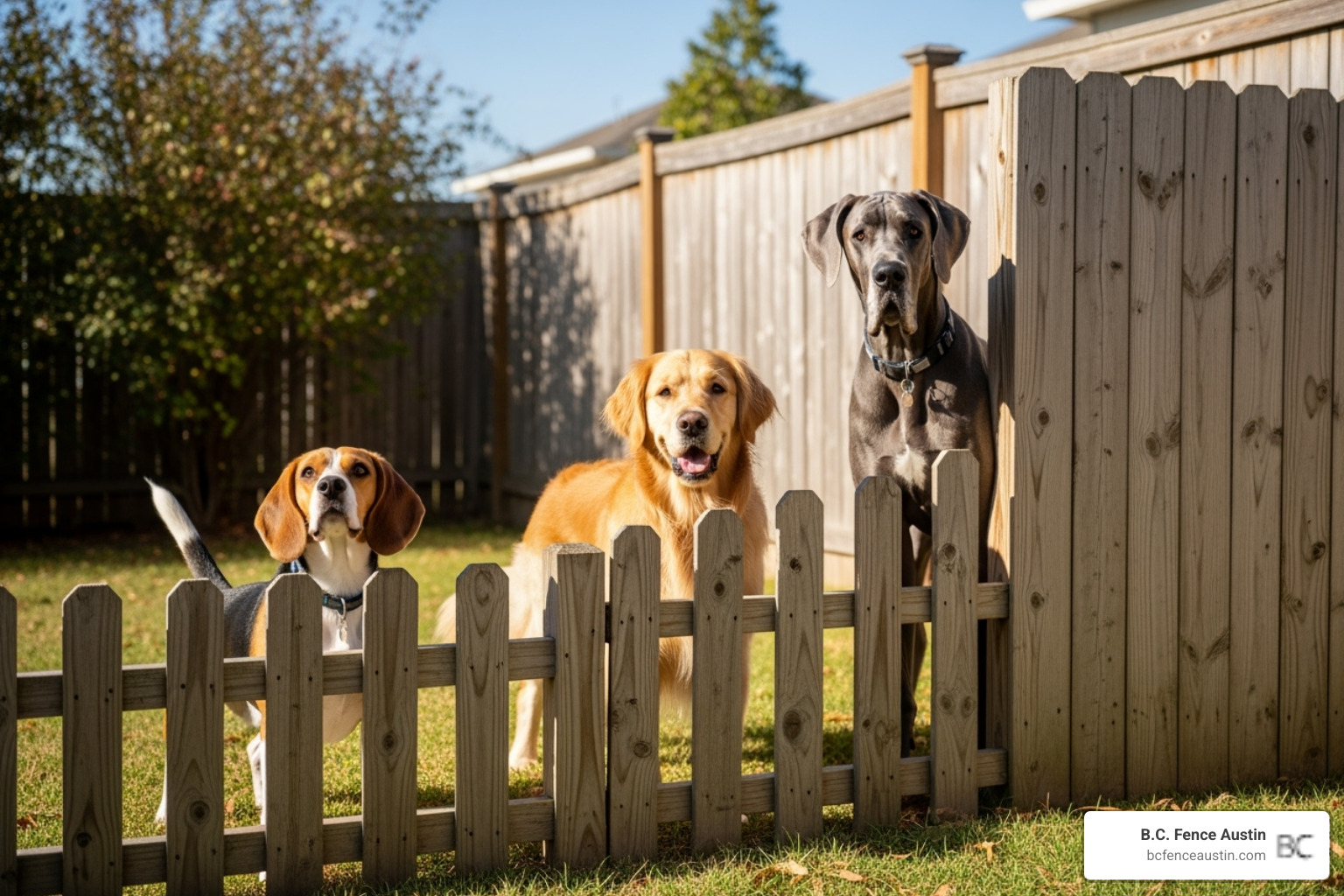
Fencing for Small to Medium-Sized Dogs
For smaller, calmer dogs or medium-sized pups who aren’t escape artists, dog fencing between 3 and 4.5 feet tall is usually sufficient. This height works well for breeds like Beagles, Corgis, and many terriers, preventing casual wandering without overwhelming your yard. A 4.5-foot fence often uses standard steel posts, making installation more affordable.
While plastic fencing is marketed for small dogs, we caution against it as it isn’t chew-resistant. We strongly prefer durable materials like PVC-coated welded wire, which offers better security. For optimal containment, a solid vinyl or wood fence at least 4 feet tall with no gaps and a buried barrier at the base is recommended to stop determined diggers.
Fencing for Large, Active, or Escape-Artist Dogs
Large breeds, high-energy dogs, and clever escape artists require taller, stronger barriers. For these dogs, we recommend dog fencing heights between 5 and 7 feet. Our 6- and 7-foot systems use heavy-duty 1 5/8″ diameter posts engineered for powerful dogs. Breeds like Huskies, German Shepherds, and Labrador Retrievers often need at least a 6-foot fence. Exceptional jumpers might even require 7 or 8 feet.
Height alone isn’t always enough for talented climbers like Huskies. Fences with smooth surfaces that offer no footholds are a good solution. An inward-angled top can also discourage jumpers.
Material strength is critical. PVC-coated welded wire is an excellent choice due to its high breaking strength and tight mesh openings. It resists impacts from large dogs while making climbing nearly impossible. The right fence gives you peace of mind and gives your dog the safe outdoor time they need. If you’re in the Austin area, check out our residential fencing services for more information.
DIY-Friendly Features vs. Professional Installation for Your Dog Fencing
When you’re ready for new dog fencing, you must decide whether to DIY or hire professionals. The choice depends on your skills, time, and yard conditions. Many modern DIY dog fence kits are manageable weekend projects that deliver great results.
However, if you have a large area, tricky terrain like slopes or rocky soil, or simply want professional assurance, calling experts is a wise choice. At B.C. Fence Austin, we handle installations daily, saving you time and ensuring a perfect result.
If you’re considering the DIY route, this guide offers practical tips: How to Build a Quick, Easy, and Inexpensive Dog Fence!
The Appeal of DIY-Ready Dog Fence Systems
DIY-ready dog fencing systems are accessible even for beginners. A key feature is the no-dig installation option. Instead of digging post holes, many systems use ground-driven galvanized steel sleeves. You drive them into the ground, insert the posts, and you’re ready to go—no digging or concrete required. This means a functional fence can be up in a single weekend.

These kits are also versatile. You can fence off part of your yard, protect a garden, or create a barrier exactly where you need it without blocking your view. This modularity makes them easy to expand or reconfigure. This flexibility is also great for renters, as many systems are not permanent and can be moved. Most kits include everything you need with clear instructions.
Modifying and Extending Existing Fences
You don’t always need to start from scratch. Modifying an existing fence can be a time- and cost-effective way to make it dog-proof.
For jumpers, fence extension kits are highly effective. They add height and can be installed on almost any fence type, often with an inward-angling design that makes jumping over nearly impossible.
If your dog is a digger, the solution is at ground level. Installing dig guards—typically welded wire mesh attached to the fence bottom and buried or staked to the ground—creates a barrier that stops tunneling.
Also, pay attention to gaps and weak points. Securing small openings under gates or between panels with extra material eliminates potential escape routes. Strategic landscaping, like dense shrubs along the fence line, can also deter jumping while adding to your yard’s appeal.
For more insights on fencing solutions, see our article on Understanding the Different Purposes of Residential Fencing.
Frequently Asked Questions about Dog Fences
Choosing the right dog fencing brings up many questions. As Austin’s experts in keeping pets safe, we’re here to provide answers.
What’s the best fence for a dog that digs or chews?
For dogs that dig or chew, you need dog fencing built for durability.
For diggers, a barrier they can’t tunnel under is key. Heavy-duty welded wire or steel mesh extending into the ground is your best defense. A dedicated dig-proof barrier, secured with galvanized ground stakes, creates a physical wall at ground level. For obsessive diggers, burying wire mesh at least 12 inches deep or adding a concrete footing is effective.
For chewers, avoid plastic fencing. We recommend PVC-coated welded wire or solid steel mesh. These materials are incredibly strong and virtually impossible for dogs to damage with their teeth. Small mesh openings (around 1.7″ x 1.7″) prevent dogs from getting a good grip. Combining chew-proof materials with a dig-proof barrier creates a system that can withstand any determined canine.
How is a dog fence different from a deer or cat fence?
While all create boundaries, these fences are designed for different animal behaviors.
- Dog fencing is designed for containment, preventing jumping, climbing, digging, and chewing. Height (4 to 7+ feet) is matched to the dog’s ability, mesh is small and chew-resistant, and dig-prevention features are often included.
- Deer fences are for exclusion, designed to keep deer out. Since deer are incredible jumpers, these fences are much taller, typically 8 to 10 feet, and are not intended for pet containment.
- Cat fences are designed to stop expert climbers. Their defining feature is an angled top or overhang that prevents cats from getting a paw-hold to climb over.
Each fence is engineered for the specific animal it’s meant to manage.
What accessories do I need for a complete fence system?
A great dog fencing system includes several key components working together.
- Access Gates: These should match your fence height and be equipped with self-closing hinges and heavy-duty latches to prevent accidental escapes.
- Posts and Sleeves: These form the fence’s backbone. No-dig systems use ground-driven sleeves, while all posts should be galvanized and powder-coated for weather resistance.
- Ground Stakes: These galvanized stakes anchor the fence base and any dig guards firmly to the ground.
- Tensioning Tools & Fasteners: Tensioning tools create a taut, sag-free barrier, while zip ties or other fasteners secure the mesh to the posts.
- Post Caps & Safety Covers: Caps protect posts from weather, and covers for any exposed metal edges prevent injury.
These components create a comprehensive dog fencing solution. For more on our pet-friendly options, visit our pet-friendly fencing page.
Conclusion: Investing in Your Pet’s Safety and Happiness
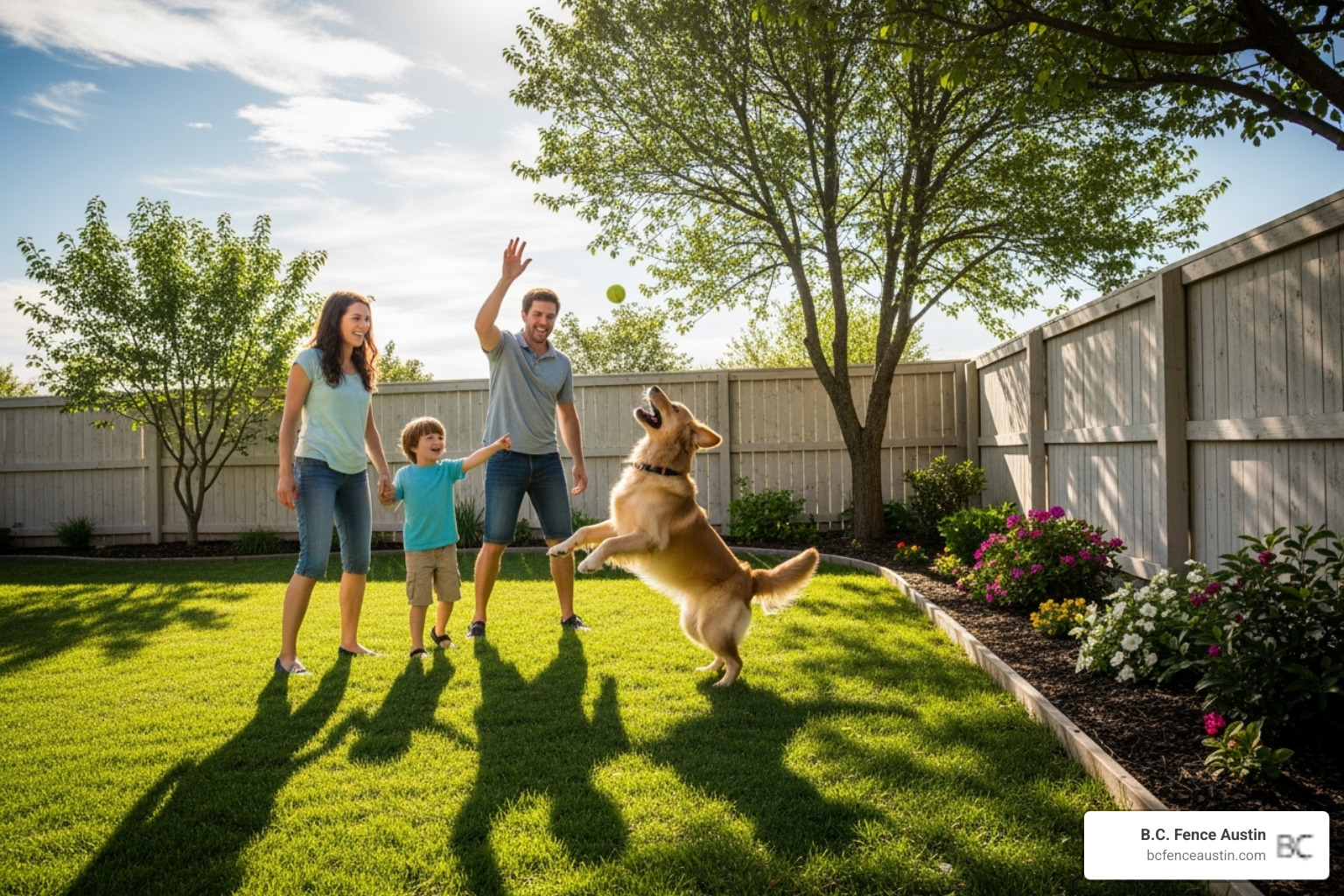
When we bring a dog into our lives, we promise to keep them safe, healthy, and happy. Quality dog fencing is a vital part of honoring that promise. It’s not just a boundary; it’s a sanctuary where your dog can be themselves.
A secure fence means freedom for your dog to play and explore, protected from traffic, wildlife, and other dangers. A physical fence provides humane containment, helping your dog understand their boundaries without fear or pain.
For pet parents, a well-designed dog fencing system brings priceless peace of mind. You can relax and enjoy time with your pet without constant worry. Beyond the emotional benefits, a quality fence installation improves curb appeal and can increase your home’s value.
Whether you choose the robust strength of welded wire mesh, the classic privacy of a wooden fence, or a custom solution, you’re making a long-term investment in your family’s happiness. Our DIY kits offer an accessible starting point, while our professional installation services ensure expert craftsmanship.
At B.C. Fence Austin, we understand your dog is family. We’re passionate about providing fencing solutions that work for both of you.
Your dog deserves a perfect backyard. Let’s make it happen. Explore our pet-friendly fencing options to keep furry friends safe and secure and see how we can transform your yard into the safe space your companion deserves.