A Comprehensive Guide to Fences for Dogs
Why Choosing the Right Fence for Your Dog Matters
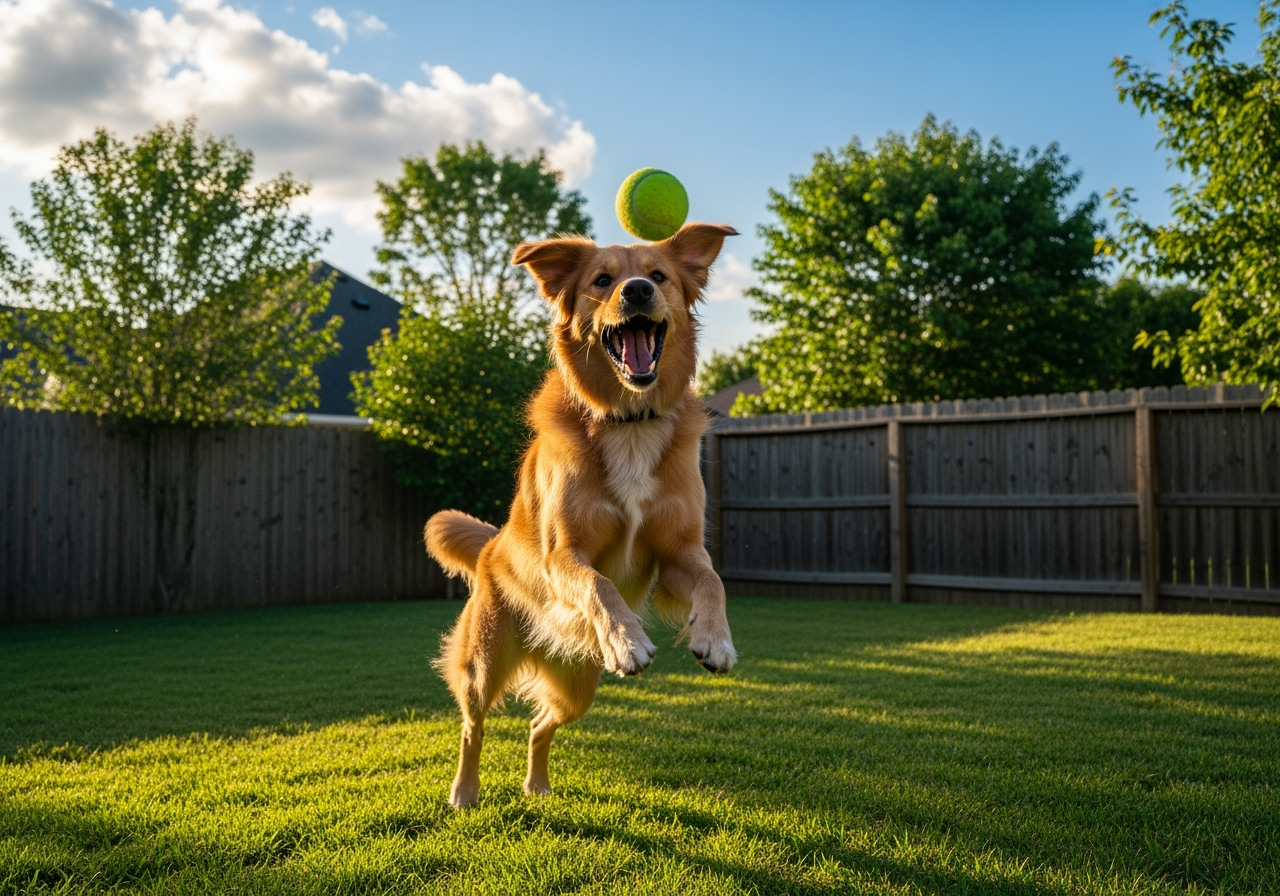
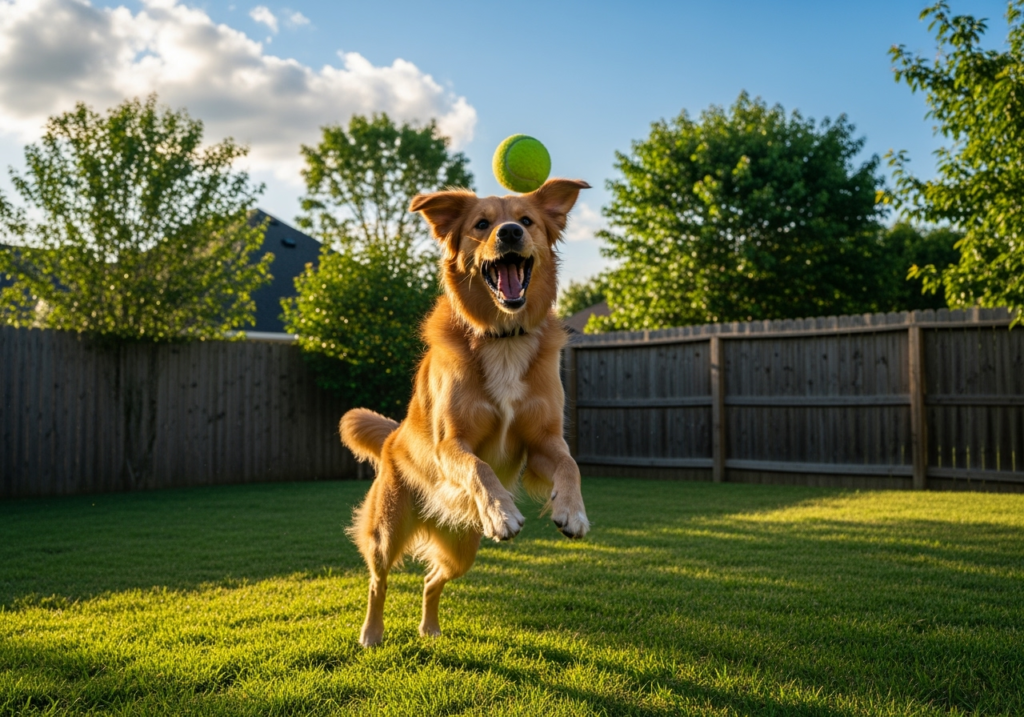
A fence for dogs is a critical safety tool, giving your pet the freedom to play and explore safely. Choosing the right solution—from traditional wood to modern GPS systems—keeps your dog secure, your neighbors happy, and your property looking its best.
Quick Answer: Main Types of Fences for Dogs
- Physical Barriers – Wood, vinyl, chain link, or wrought iron fences creating a visible boundary (4-8 feet tall).
- In-Ground Electronic Fences – Buried wire systems with correction collars (up to 25 acres).
- Wireless GPS Fences – Radio-signal or GPS-enabled boundaries without physical installation (portable, up to 3/4 acre).
- Combination Approaches – Physical fences improved with dig barriers or anti-climb features.
The pet containment market has grown as owners invest in solutions that balance safety and freedom. The right fence depends on your dog’s breed, size, and temperament, plus your yard, budget, and local rules.
For example, a solid vinyl fence can reduce barking for a high-energy dog by limiting visibility, creating a more peaceful environment.
Your choice matters because:
- Safety – Prevents your dog from running into traffic or getting lost.
- Freedom – Allows supervised outdoor play without a leash.
- Behavior – Can reduce anxiety and territorial barking.
- Peace of Mind – Protects your investment in your pet’s wellbeing.
Large breeds like German Shepherds may need 6-foot fences, while digging Terriers need buried barriers. Escape artists like Huskies might require 8-foot fences with toppers. Understanding these needs is the first step to making the right choice.
Types of Outdoor Dog Fences
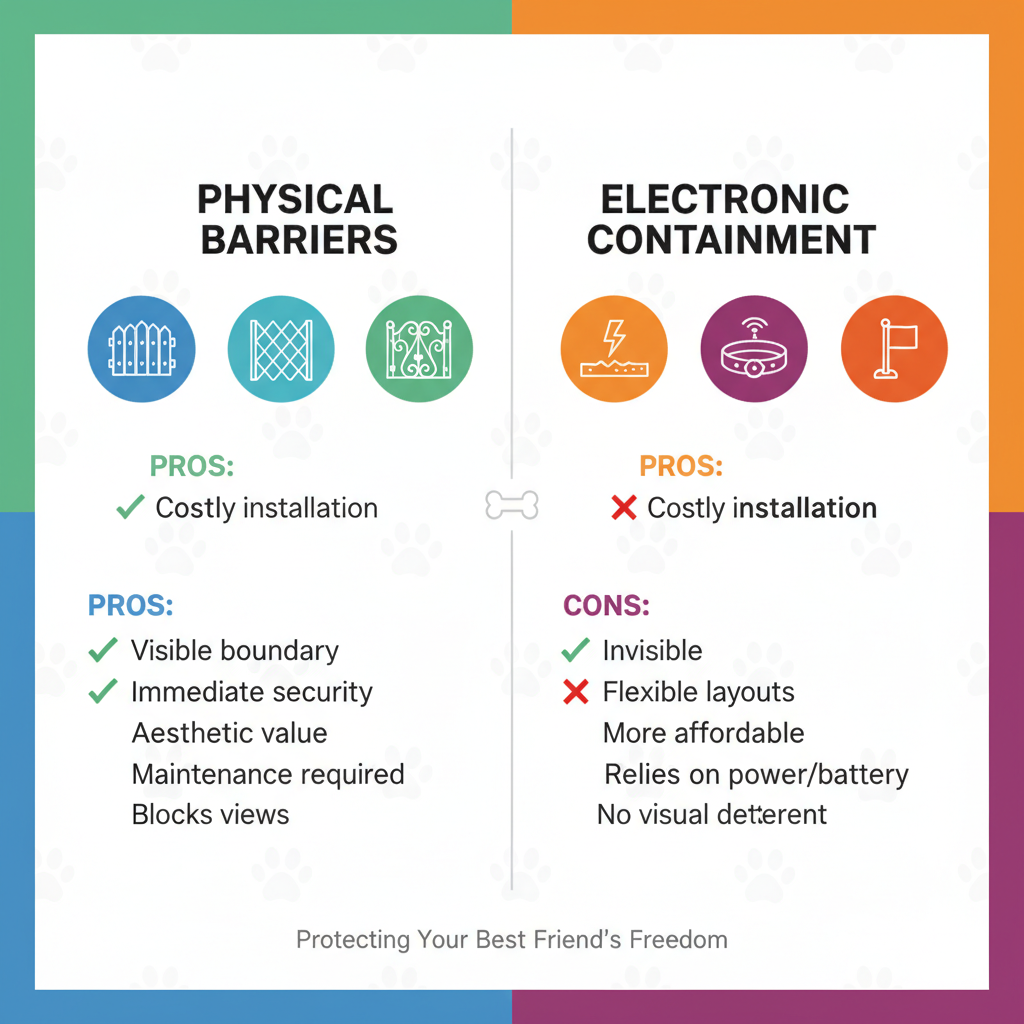
When choosing a fence for dogs, you have two main options: physical barriers or electronic systems. Each has unique strengths, and sometimes a combination is best. Understanding these choices will help you find the perfect fit for your pet and property.
Traditional Physical Fences
A solid, visible fence provides an immediate boundary while adding to your property’s curb appeal. At B.C. Fence Austin, we build sturdy fences that protect pets for years. See the possibilities in our gallery of Residential Fencing in Austin TX.
Wood fences are a timeless favorite, offering natural beauty and privacy. They can be customized with features like lattice tops for height. Their main drawback is the need for regular maintenance, such as staining every 2-3 years to prevent rot. For durable lumber choices, our Cedar vs Redwood Fence Guide can help you decide.
Chain link fences are a durable and cost-effective option, especially for large areas. However, they offer no privacy and can lead to barking as your dog can see everything. Small dogs may slip under, and climbers can scale the mesh. Adding privacy slats or burying the bottom edge can mitigate these issues. Learn more in our Chain Link Fence Details.
Wrought iron fences offer elegance and top-tier security. They are extremely durable and difficult for dogs to climb or damage. The trade-off is a lack of privacy, and small dogs might slip between the bars. Pairing an iron fence with a concrete footer stops diggers. Learn more about the Benefits of Owning an Iron Fence.
Vinyl fences are popular for their low-maintenance appeal. They don’t rot or splinter and only need occasional rinsing. Solid panels provide excellent privacy, which can reduce barking. While tough, vinyl may not withstand a dedicated chewer.
No-dig fence panels are a flexible, temporary solution ideal for renters. These modular sections connect without post holes, allowing for quick setup and removal.

Electronic & Virtual Fence for Dogs
Electronic or “invisible” fences use technology to create boundaries, preserving your landscape’s open feel. The technology has improved significantly, offering more options than ever.
In-ground wire fences use a buried wire that sends a radio signal to your dog’s collar. As the dog nears the boundary, the collar beeps a warning, followed by a mild static correction if they continue. These systems are highly customizable, can cover up to 25 acres, and are a permanent solution once installed.
Wireless radio-signal fences use a central transmitter to create a circular boundary (up to 3/4 acre) without buried wires. Setup is fast, and the system is portable, making it great for travel. However, the circular shape may not fit all yards, and the signal can be affected by hills or metal objects.
GPS-enabled fences are the most modern option, allowing you to draw custom boundaries on a smartphone app. With no physical installation, you can create and adjust zones in minutes. This makes them ideal for large or complex properties. Many GPS collars also include activity tracking and real-time location monitoring.
| Feature | In-Ground Wire Fences | Wireless Radio-Signal Fences | GPS-Enabled Fences |
|---|---|---|---|
| Coverage Area | Highly customizable, up to 25 acres | Circular, typically up to 3/4 acre | Highly flexible, can cover vast areas |
| Portability | Low (permanent installation) | High (easy to set up and move) | Very High (software-defined boundaries) |
| Reliability | High (stable signal once installed) | Moderate (can be affected by interference) | High (depends on GPS signal availability) |
| Boundary Shape | Any shape | Circular only | Any shape, multiple zones |
| Setup Time | 1-2 days (digging required) | 1-2 hours (no digging) | Minutes (software setup) |
Choosing the Right Fence for Your Dog
There is no single best fence for dogs. The right choice depends on your dog’s personality, your property, and your lifestyle. A 4-foot fence might contain a Golden Retriever but won’t stop a determined Husky. If you’re asking, What type of fence should I get?, this guide will help you decide.
Key Factors to Consider for Your Dog
Every decision should start with your dog’s specific needs and behaviors.
While breed tendencies are a good starting point, your dog’s individual personality is what truly matters. Is your dog a jumper, digger, climber, or a combination? Understanding their unique behaviors is key.
- Jumpers: Breeds like Australian Shepherds can clear 6 feet. For these dogs, a 6-foot fence is the minimum, but 7-8 feet with an inward-angled top provides better security.
- Diggers: Terriers and Beagles are natural diggers. For these dogs, your fence must go down as well as up. Burying wire mesh 12 inches deep or installing an L-footer at the base is effective. You can learn more about breed-specific behaviors from resources like the American Kennel Club.
- Climbers: Intelligent breeds like Huskies can scale fences with footholds. Choose smooth surfaces or add angled toppers to prevent climbing.
- Chewers: For dogs that chew, material choice is critical. Metal fences like chain link or wrought iron are most resistant. If choosing wood, opt for harder varieties like cedar.
- Age and Health: A puppy’s needs will change as they grow. An older dog with arthritis may need gentler corrections from an electronic system. Dogs with vision or hearing loss may not respond well to electronic fences.
- Escape Artists: For dogs that combine these skills, a multi-layered defense is needed: a tall, solid fence with anti-dig and anti-climb features, plus secure, dog-proof gate latches.

Assessing Your Property and Needs
Your property’s layout and local rules will also influence your choice.
- Yard Size and Shape: A traditional fence works well for a standard suburban yard. For large or irregularly shaped properties, an in-ground or GPS electronic system may be more practical and cost-effective.
- Sloped Terrain: Slopes can create gaps under physical fences. Professional installation is needed to step the fence panels correctly. Electronic fences are unaffected by terrain changes.
- HOA Regulations and Aesthetics: Many communities have strict rules on fence height, materials, and style. Always check with your HOA before installation. A well-chosen fence should also complement your home’s curb appeal. For ideas, see our guide on Styles of Fences for Houses.
- Budget and Durability: While some fences have a lower upfront cost, they may require more long-term maintenance. Vinyl and aluminum are low-maintenance, while wood needs regular staining. We offer a range of Budget-Friendly Residential Fencing Options for Homeowners to fit various needs.
Key Features of an Effective Fence for Dogs
An effective dog fence incorporates features that address specific behaviors.
- Fence Height: 4 feet is often fine for small dogs. 6 feet is standard for most medium-to-large breeds. 7-8 feet is recommended for athletic jumpers and climbers.
- Material Strength: Chain link and wrought iron are highly durable and resistant to impact or chewing. High-quality wood and vinyl work for most dogs that aren’t destructive.
- Anti-Climb & Anti-Dig Features: Smooth surfaces, inward-sloping tops, or coyote rollers deter climbers. Buried wire mesh or a concrete footer stops diggers.
- Gate Security: A gate is a common failure point. Use self-closing hinges and dog-proof latches that require more than a simple nudge to open. We design Custom Gates that are both secure and stylish.
Installation, Training, and Safety
Once you’ve chosen your fence for dogs, proper installation and training are crucial for it to be effective. This phase turns your investment into a reliable safety system for your pet.
Professional Installation vs. DIY
Deciding whether to install the fence yourself or hire professionals depends on your skills, time, and the complexity of the project.
Hiring professionals like B.C. Fence Austin ensures the job is done right. We understand local codes in areas like Austin and Cedar Park, know the soil conditions, and can handle challenges like sloped terrain. Professional work prevents common DIY mistakes, such as setting posts too shallow or creating escape gaps. For more on this, see our Top Reasons to Hire a Professional Fencing Contractor.
DIY projects are best suited for simpler systems like no-dig panels or wireless fences. Installing a traditional fence is complex and risks costly errors, from hitting utility lines to building a crooked fence that fails prematurely. If you go the DIY route, our guide on How to Avoid Common Mistakes When Installing a Fence can help.
Legal considerations are vital. Most cities have rules on fence height, and HOAs can be even stricter. You must also verify property lines to avoid disputes with neighbors. Understanding The Importance of Proper Fence Installation saves you time and money.
Training Your Dog for a New Fence
Installing a fence is only half the job; you must teach your dog to respect the new boundary.
- Positive Reinforcement: Reward your dog with praise and treats when they stay within the yard. This builds a positive association with the space.
- Boundary Flag Training: For electronic fences, use flags to create a visual cue. Walk your dog on a leash near the flags, teaching them to turn back when the warning tone sounds, and reward them for doing so.
- Gradual Introduction: Supervise your dog in the newly fenced area for the first couple of weeks. For electronic systems, start with the collar in “tone-only” mode before introducing the lowest effective static correction.
- Proper Collar Fit: For electronic systems, ensure the collar’s contact points touch the skin without being too tight. Check for irritation daily.
- Consistency: Everyone in the household must enforce the same rules to avoid confusing your dog.
- Supervised Playtime: Continue to supervise your dog periodically even after training is complete to reinforce good habits and spot any potential issues with the fence.
Safety Considerations and Potential Risks
Even the best fence for dogs has potential risks that require awareness and maintenance.
Physical fence hazards include loose boards, protruding nails, or gaps that develop over time. Regular inspections (quarterly is a good rule) can catch these problems before they cause injury or an escape.
Electronic fence risks are significant. The primary concern is the “run-through” effect, where a highly motivated dog (chasing a squirrel, for example) ignores the correction and leaves the yard. They may then be hesitant to re-enter and face another correction, leaving them stranded outside.
Another key risk is that electronic fences don’t protect from external threats. Other animals or people can still enter your yard, which is a major concern for small or timid dogs.
Collar safety is also important. Regularly check the battery and inspect your dog’s neck for irritation from the contact points. Never leave an electronic collar on an unsupervised dog for long periods.
No system is foolproof. Your role as an owner includes regular maintenance, training reinforcement, and supervision to ensure your dog’s safety.
Frequently Asked Questions about Fences for Dogs
Here are answers to the most common questions we hear from owners looking for the perfect fence for dogs.
How high should a fence be for a dog?
The ideal height depends on your dog’s breed, size, and jumping ability. Always check local and HOA regulations first.
- Small Dogs (e.g., Terriers, Chihuahuas): A 4-foot fence is typically sufficient. For these breeds, preventing digging is often more important than height.
- Medium to Large Dogs (e.g., Labs, Golden Retrievers): A 6-foot fence is the standard and provides a reliable barrier for most family dogs.
- Athletic Jumpers & Climbers (e.g., German Shepherds, Huskies): A 7-foot or 8-foot fence is recommended. Adding anti-climb features like roller bars or an inward-angled top provides extra security.
Can a dog run through an invisible fence?
Yes, a dog can run through an invisible fence. This “run-through” phenomenon is a real risk and typically happens for a few key reasons:
- High Prey Drive: The excitement of chasing a squirrel or another animal can overwhelm the static correction.
- Inadequate Training: If a dog doesn’t understand the boundary flags and warning tones, the system will be ineffective.
- Incorrect Correction Level: If the static correction is set too low, the dog may ignore it. If it’s too high, it can cause fear and anxiety.
- Battery Failure: A dead battery in the receiver collar renders the fence useless. Regular checks are critical.
After a run-through, a dog may be afraid to re-enter the yard and face another correction, leaving them stranded outside the safe zone.
What is the most durable type of dog fence?
Durability depends on the material and your specific needs. Here are the top contenders:
- Chain Link Fences: Made from galvanized steel, these are workhorses that resist weather and impact. They can last 20-30 years with minimal maintenance. Our Chain Link Fence Security Guide explains more.
- Wrought Iron Fences: These combine elegance with incredible strength and can last a lifetime with proper care. Regular maintenance to prevent rust is key. See our Top 6 Iron Fence Maintenance Tips for advice.
- Vinyl Fences: High-quality vinyl offers excellent durability with almost no maintenance. It won’t rot, warp, or fade and can last 20-30 years. It’s a great choice unless you have a very determined chewer.
- Wood Fences: The durability of wood depends on the type (cedar and redwood are best) and maintenance. A well-maintained wood fence that is stained or sealed every 2-3 years can last 15-20 years.
Conclusion: Securing Your Peace of Mind
Choosing the right fence for dogs is about creating a safe space for your pet to play freely, giving you peace of mind. It’s an investment in their freedom and your security.
We’ve covered physical barriers like wood, chain link, wrought iron, and vinyl, as well as electronic systems like in-ground, wireless, and GPS-enabled fences. The best choice isn’t just about materials; it’s about understanding your dog’s unique behaviors—whether they’re a jumper, digger, or escape artist.
Your property also plays a key role, from its terrain to local HOA rules in communities across the greater Austin area, including Round Rock, Georgetown, and Cedar Park. We understand these local challenges and can help you find a solution that works.
Proper installation and consistent, positive training are what make a fence truly effective. A fence without training is an incomplete solution. This combination ensures your dog understands and respects their boundaries.
Investing in a quality fence for dogs is a commitment to your pet’s safety. It’s about watching your dog play without worrying about traffic or them getting lost. At B.C. Fence Austin, we build lasting fencing solutions that keep pets safe while enhancing your property’s value. From fence repair and installation to custom gates, we are pet lovers who understand what’s at stake.
Let us help you find the perfect balance of freedom and security for your companion. Your peace of mind is worth it.
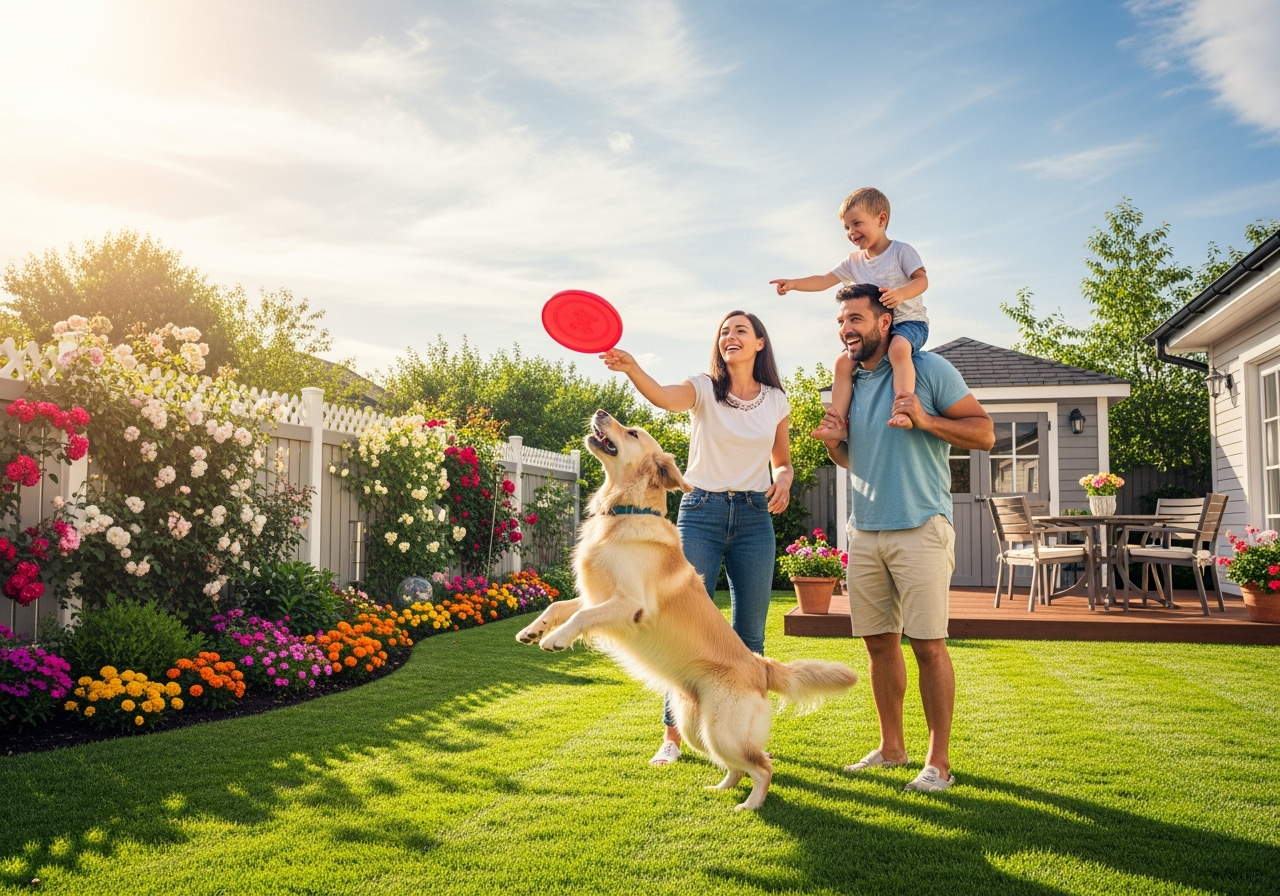
Learn more about our Pet-Friendly Fencing options to Keep Furry Friends Safe and Secure