DIY or Done For You? Finding the Right Fence for Your Dog Run
Why Choosing the Right Fence for Your Dog Run Matters
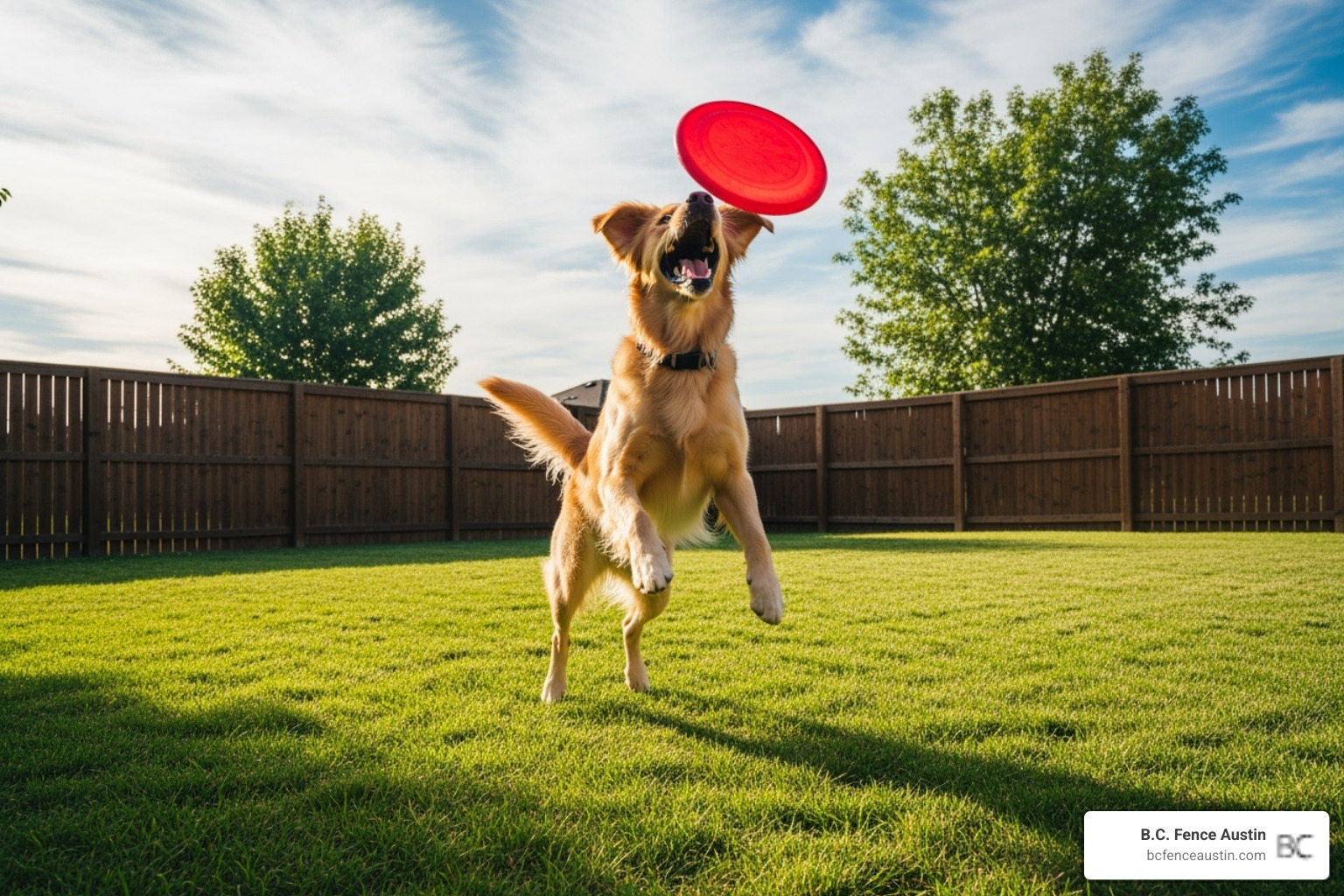
A fence for dog run is essential for keeping your dog safe and giving you peace of mind. The right fence transforms your yard into a secure haven where your furry friend can play and explore without the risk of escape or injury. Without a proper fence, even a well-trained dog can bolt into traffic or encounter wildlife.
Quick Answer: Best Fence Options for Dog Runs
| Dog Type | Recommended Fence | Minimum Height |
|---|---|---|
| Small breeds | Vinyl or wood privacy fence | 4 feet |
| Medium/large breeds | Chain link or aluminum | 6 feet |
| Athletic jumpers | Iron or tall wood with overhang | 6-8 feet |
| Diggers | Any fence with buried barrier | 4-6 feet + 12″ underground |
| Chewers | Aluminum or high-grade vinyl | 4-6 feet |
Choosing the right fence isn’t one-size-fits-all. Your dog’s breed, size, and behaviors like jumping or digging all play a role. A fence that contains a calm Golden Retriever might not work for an energetic Border Collie.
Then comes the big decision: Should you tackle this as a DIY project or hire professionals? DIY can save on labor costs but demands time and skill. Professional installation guarantees security and code compliance but requires a bigger upfront investment.
This guide covers everything you need to know about selecting and installing a fence for your dog run, from materials and security features to deciding between DIY and professional installation.
First Things First: Key Considerations for Your Dog Run Fence
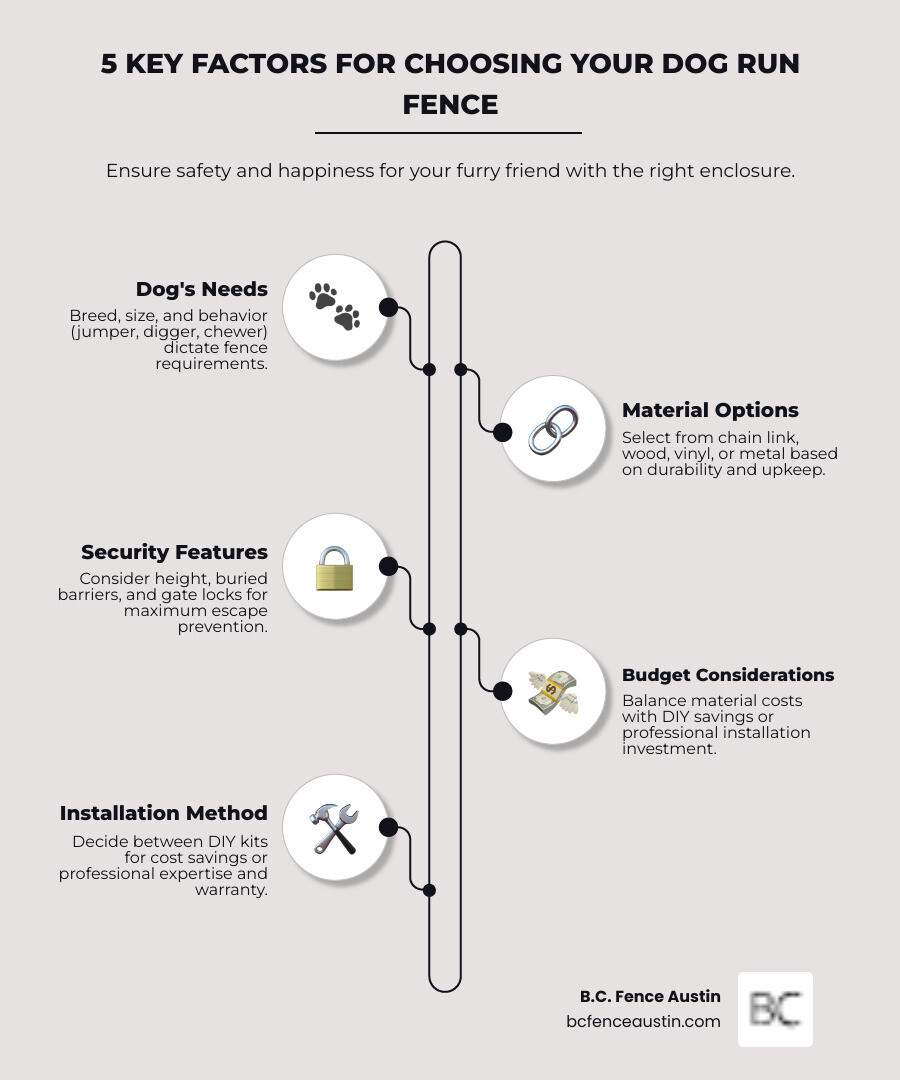
Before choosing materials, understand your dog’s needs. The perfect fence for dog run is custom to your specific pet.
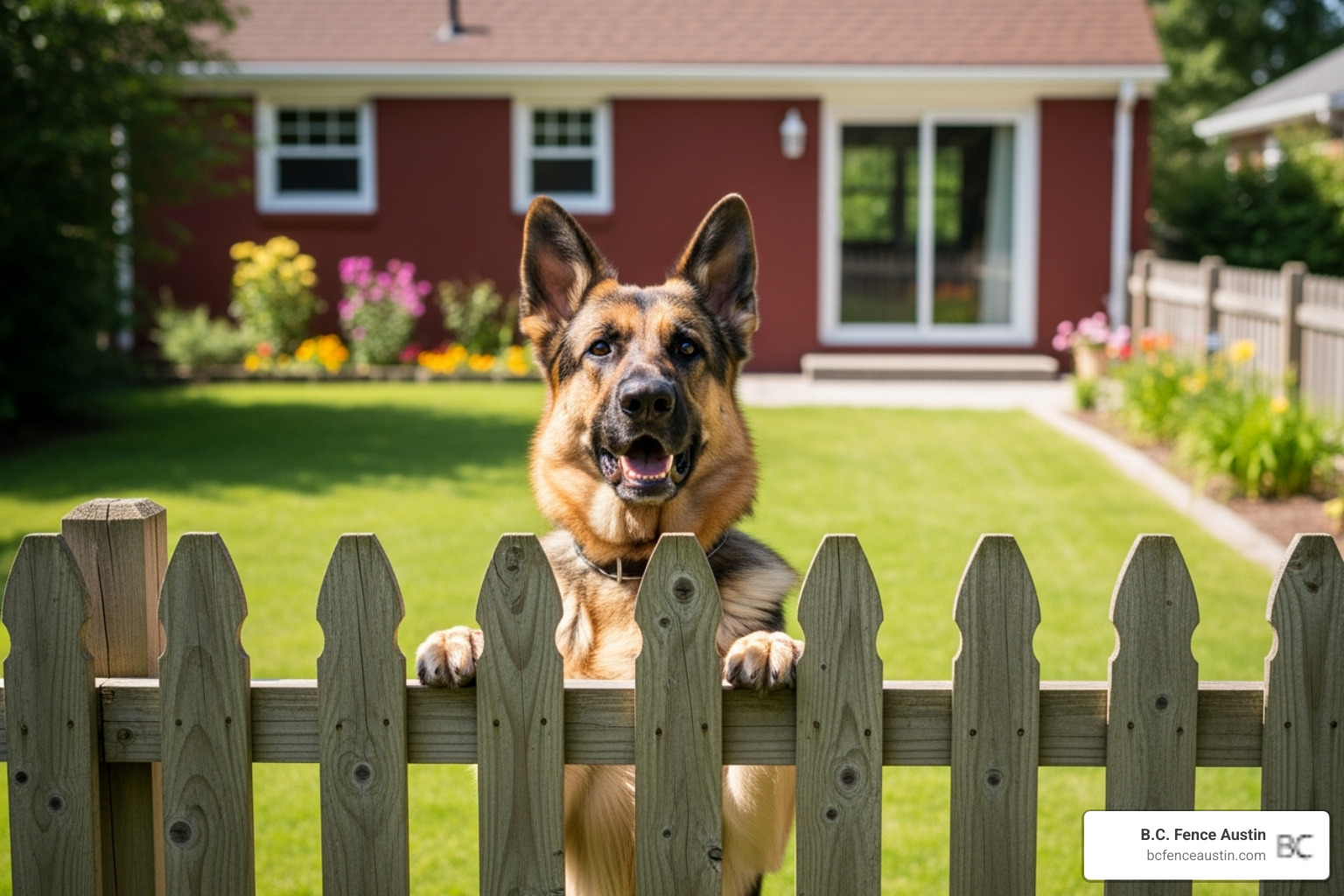
Your Dog’s Personality and Physical Abilities
Consider your dog’s size, but also their behavior. A small dog might squeeze through gaps, while a large dog could lean through a flimsy barrier.
- Jumpers: Athletic breeds like Border Collies can clear a six-foot fence. They may need a 7- or 8-foot fence, possibly with an inward overhang to prevent climbing.
- Diggers: Breeds like Huskies and Terriers often dig instinctively. For them, you’ll need buried barriers extending at least 12 inches underground. For more tips, see this guide on how to stop dogs from digging.
- Chewers: If your dog chews everything, avoid wood fencing. High-grade vinyl or aluminum are much better choices. A fence doesn’t replace playtime and mental stimulation.
The Space You’re Working With
Decide whether to fence your entire yard or create a dedicated dog run. A dedicated run is great for preserving garden space or if your yard is small. Aim for a width of at least 10 feet to give your dog room to run and play.
The Rules You Need to Follow
Before starting, check local building codes and Homeowners Association (HOA) rules. These regulations dictate fence height, materials, and placement. For example, Austin’s residential fences are typically limited to eight feet, with front yard fences often capped at four feet. Skipping this step can lead to costly mistakes. Our guide on What to Know Before Installing a Fence covers this in more detail.
Making It Look Good Too
A fence is a permanent part of your landscape, so aesthetics matter. The right fence for dog run can improve curb appeal and even increase property value. Consider your home’s style and landscaping to choose a fence that complements your property.
Exploring Your Options: Types of Fences for a Dog Run
Now that you know your dog’s needs, let’s explore fencing materials. Consider durability, maintenance, security, and aesthetics for each. For a detailed side-by-side comparison, check out our guide on Fence Comparisons Materials.
Chain Link Fencing
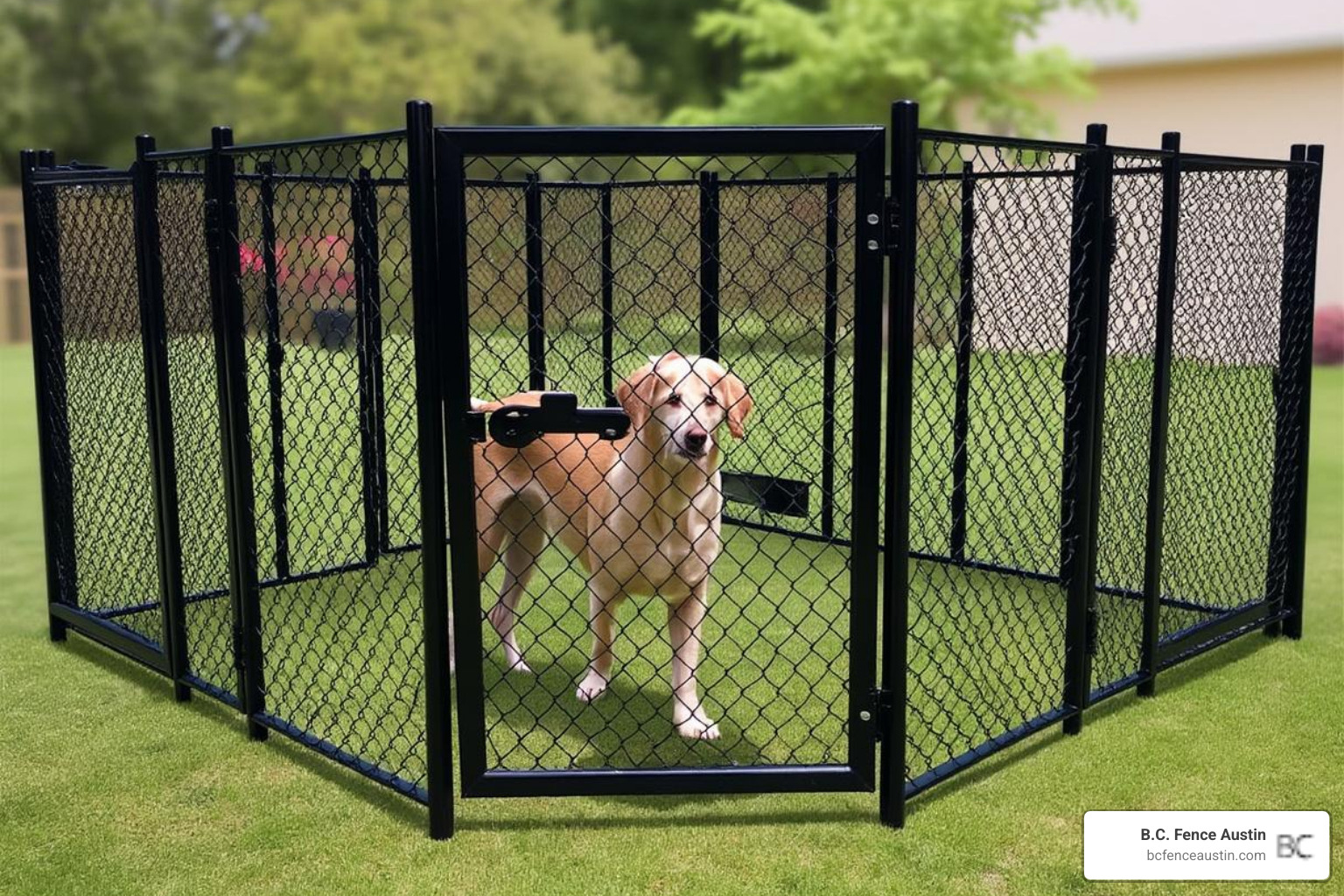
Chain link is a reliable and affordable workhorse, making it ideal for large areas. Its galvanized steel construction is durable, weather-resistant, and requires almost no maintenance. The high visibility allows you to keep an eye on your dog, but it offers no privacy. However, some dogs may see it as a climbing challenge, and the utilitarian look isn’t for everyone. Black vinyl-coated chain link offers a more refined appearance. If chain link sounds right, we offer professional Services: Chain Link Fence installation.
Wood Fencing
A wood fence offers timeless, natural beauty and can be customized with different styles and stains. Its greatest benefit for dog owners is privacy, which can reduce barking by blocking visual stimulation from passersby. However, wood requires significant maintenance, including regular cleaning and sealing every 2-3 years to prevent rot and warping. It’s also vulnerable to damage from chewers. For more on upkeep, see our Wood Fence Maintenance Tips. A well-maintained wood fence for dog run can Enhance Your Property With a Timeless Wooden Fence.
Vinyl (PVC) Fencing
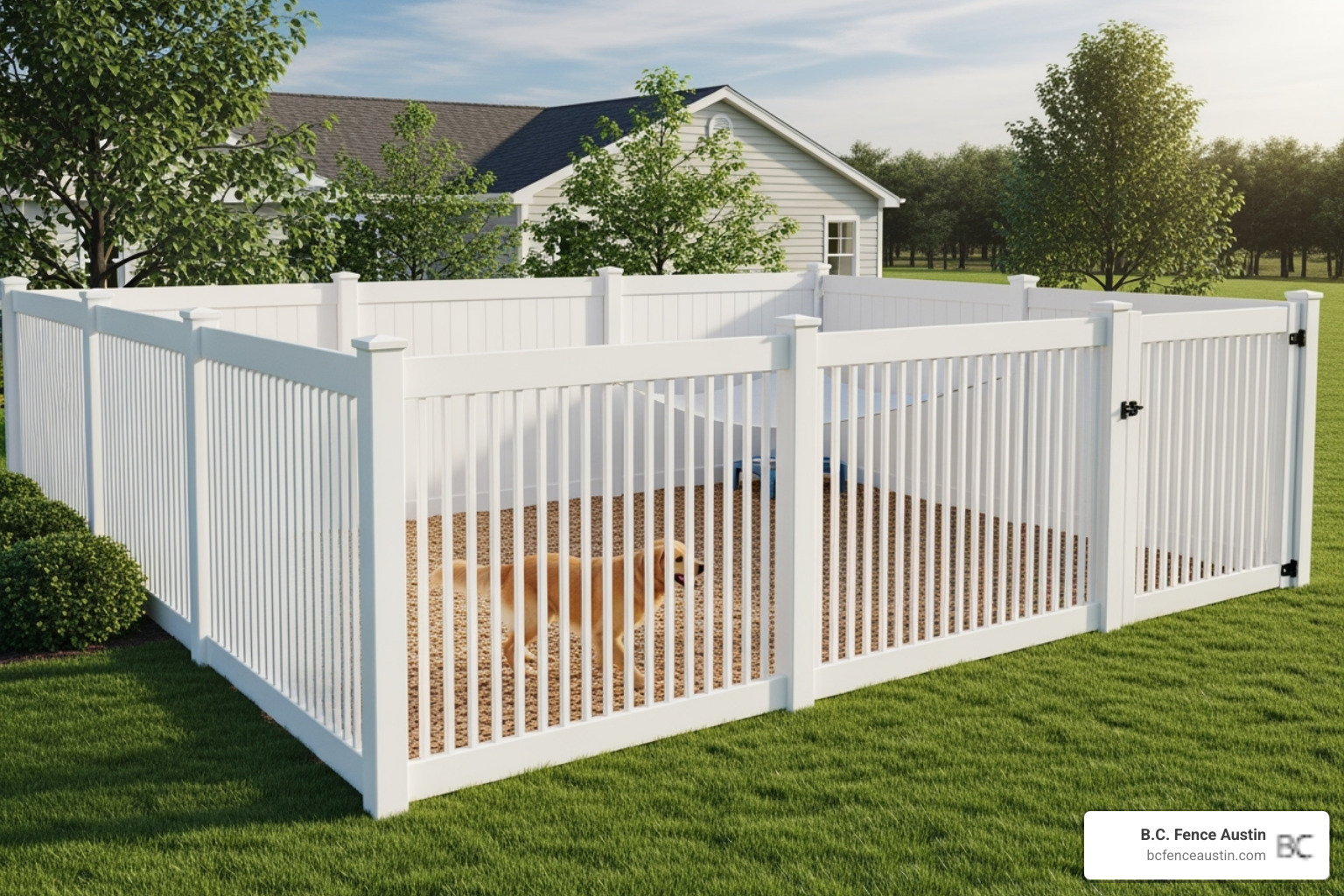
For busy pet owners, vinyl is a popular choice due to its extremely low maintenance. It requires no staining or painting and cleans easily with soap and water. Vinyl is durable, won’t rot or rust, and is splinter-free. The solid panels provide excellent privacy and are more chew-resistant than wood, making them great for reactive dogs or nibblers. The main trade-off is a higher upfront cost compared to wood or chain link. Our guide on Vinyl Fences Versus Wood Fences can help you decide.
Metal Fencing (Aluminum & Iron)
For superior strength and security, metal fencing is best. Aluminum and iron are ideal for large breeds, athletic jumpers, and determined escape artists. These fences are incredibly long-lasting; aluminum is rust-proof and maintenance-free, while modern iron requires only occasional touch-ups. For tips, see our Top 6 Iron Fence Maintenance Tips. Metal fences are excellent for preventing digging and climbing and are highly chew-resistant. While they offer open visibility and have the highest upfront cost, their longevity and elegance can Secure Your Home in Style With an Iron Fence. When choosing a design, ensure picket spacing is narrow enough for your dog’s safety. Our Services: Iron Fence team can help you design a secure and stunning fence for dog run.
The Ultimate Fence for Dog Run Security and Safety
Beyond the right material, specific security features transform a simple fence into a safe haven. This means anticipating every potential escape route and hazard.
How High Should a Dog Run Fence Be?
Fence height depends entirely on your dog’s size and jumping ability.
- Small breeds: A 4-foot fence is typically sufficient.
- Medium to large breeds: A 6-foot fence is the standard recommendation.
- Athletic jumpers: For breeds like Border Collies or Greyhounds that can clear a 6-foot fence, consider a height of 6-8 feet. An inward-facing extension at the top can also prevent climbing.
Before finalizing your fence for dog run height, always check local building codes. In Austin, residential fences are usually capped at 8 feet.
Essential Security Features for Your Fence for Dog Run
A tall fence is useless if your dog can dig under it, squeeze through it, or open the gate.
- Buried Barriers: To stop diggers, bury wire mesh at least 12 inches deep along the fence line. Other options include a concrete footer, an L-shaped footer buried horizontally, or lining the base with large landscaping rocks.
- Climb-Proofing: Smooth surfaces like vinyl or certain metal designs are harder to climb than chain link. For chain link, a “coyote roller” at the top can prevent dogs from getting a grip.
- Picket Spacing: For fences with pickets, ensure the gaps are too narrow for your dog to squeeze through or get its head stuck. This is critical for small breeds and puppies.
- Gate Security: The gate is a common weak point. Use a lockable latch, as some remarkably intelligent dogs can figure out simple latches. Self-closing hinges are a game-changer, ensuring the gate is never accidentally left open. For more tips, see our guide on Fence Gates: What You Need to Know.
Safety Checks and Long-Term Maintenance
Regular inspections are key to keeping your fence safe. Periodically walk the perimeter to check for hazards like sharp edges, loose nails, or splinters. Also, look for structural issues like wobbly posts or sagging gates that could become escape routes.
Maintenance needs vary by material:
- Wood fences require the most care. Learn more in our guide on How to Clean a Wood Fence.
- Iron fences may need occasional rust touch-ups. See our Top 6 Iron Fence Maintenance Tips for guidance.
- Vinyl and aluminum fences are very low-maintenance, requiring only occasional cleaning.
Proactive maintenance catches minor issues before they become major problems, ensuring your dog’s long-term safety.
Installation: Should You DIY or Hire a Professional?
With your fence planned, you face a big question: build it yourself or hire experts? The right choice for your fence for dog run project depends on your skills, time, and budget.
| Feature | DIY Installation | Professional Installation |
|---|---|---|
| Skill Level | Requires moderate to advanced carpentry/building skills | No prior experience needed |
| Time Commitment | Significant time for planning, building, and troubleshooting | Minimal time commitment from homeowner |
| Tools | Requires purchasing or renting specialized tools | Professionals bring all necessary equipment |
| Security Guarantee | Dependent on individual skill and diligence | Guaranteed security and structural integrity |
| Long-Term Value | Potential for lower resale value if poorly executed | Improved property value and curb appeal |
The DIY Approach to a Fence for Dog Run
Tackling a DIY fence can be rewarding and save on labor costs. You have full control over the project, and DIY kits are available. However, be realistic about the commitment. Fence building requires significant time, specific skills (measuring, digging, leveling), and specialized tools that add to the cost.
Mistakes can be expensive and compromise your dog’s safety. A poorly set post can lean, and an overlooked gap can become an escape route. Violating local building codes can lead to fines or a tear-down order. If you have the skills, our guide on How to Install a Fence on a Tight Budget can help.
Why Professional Installation is Often the Best Bet
While DIY saves money upfront, professional installation often provides greater long-term value and peace of mind. Here’s why:
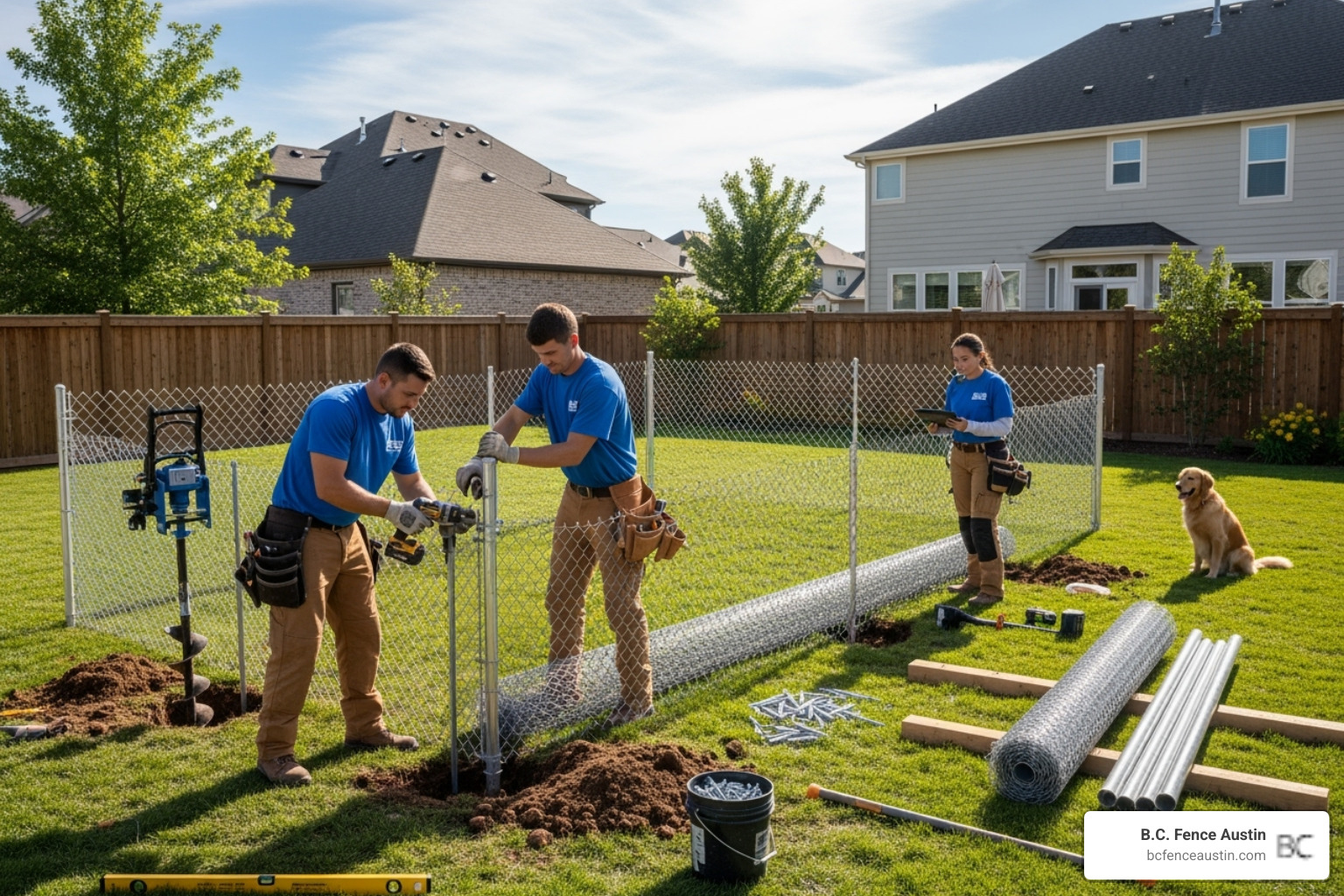
- Expertise: Professionals anticipate problems, understand local soil conditions, and know the nuances of each material. This ensures a secure fence from day one.
- Tools & Efficiency: We bring the right equipment for the job, completing the project in days, not weeks. This saves you time and hassle.
- Guaranteed Security: A professionally installed fence is built to contain your dog safely. Every post, panel, and gate is secured correctly.
- Code Compliance: We handle all permits and ensure your fence meets Austin’s building codes and HOA rules.
- Warranty: Our work comes with warranties on materials and labor. With DIY, you’re on your own if something goes wrong.
- Property Value: An expertly installed fence improves curb appeal and can increase your home’s resale value.
We believe in the Importance of Proper Fence Installation. For more, see our Top Reasons to Hire a Professional Fence Company.
Frequently Asked Questions about Dog Run Fences
Here are answers to common questions about building a secure fence for dog run.
What’s the best fence material for a dog that chews a lot?
For persistent chewers, avoid wood. The best materials are high-grade vinyl, which is smooth and difficult to damage, or aluminum and iron, which are incredibly durable and unappealing to chew. Choosing the right material protects your investment and prevents injuries from splinters. We specialize in Pet-Friendly Fencing to Keep Furry Friends Safe and Secure.
How can I stop my dog from digging under the fence?
Digging is a common challenge. Proven solutions include:
- Burying wire mesh at least 12 inches deep along the base of the fence.
- Installing a concrete footer for an impenetrable barrier.
- Using L-footers, which are sections of fencing bent and buried horizontally.
- Placing large landscaping rocks along the interior base of the fence.
Combining these methods is often the most effective way to stop a dog from trying to dig and squeeze out.
Are there alternatives to a traditional fence for a dog run?
Yes, if a permanent fence for dog run isn’t an option due to renting or HOA rules. Enclosed kennels, made from chain link or wire panels, offer a secure, contained space. Portable pens are a flexible, temporary solution for smaller dogs or supervised playtime.
Please note: B.C. Fence Austin specializes in physical fencing, as we believe tangible barriers provide the most reliable security for pets.
Conclusion: Building the Perfect, Secure Space for Your Dog
Creating the perfect fence for dog run is about building a safe haven for your pet. By understanding your dog’s behavior, choosing the right material, and incorporating key security features, you can create a space where they can play freely and you can have peace of mind.
We’ve covered the pros and cons of different materials and the critical decision between a DIY project and professional installation. While DIY can save on labor, professional installation guarantees security, code compliance, and a durable result backed by a warranty. For your pet’s safety, getting it right the first time is invaluable.
Ready to give your dog the secure outdoor space they deserve? Our team at B.C. Fence Austin is here to help. Learn more about our pet-friendly fencing solutions to keep your furry friends safe and secure or contact us for a consultation. We proudly serve Austin, Cedar Park, Leander, Round Rock, Georgetown, Pflugerville, and surrounding areas, building fences that protect pets and improve properties.